This page is an educational application or project supply scenario. It does not describe a named customer, project, address, certification, or completed commercial result.
Product, Packaging & Factory Reference
These are representative product and factory photographs from DCY MORTAR documentation. They support supply-planning context and do not depict a named customer, completed project, or guaranteed container configuration.
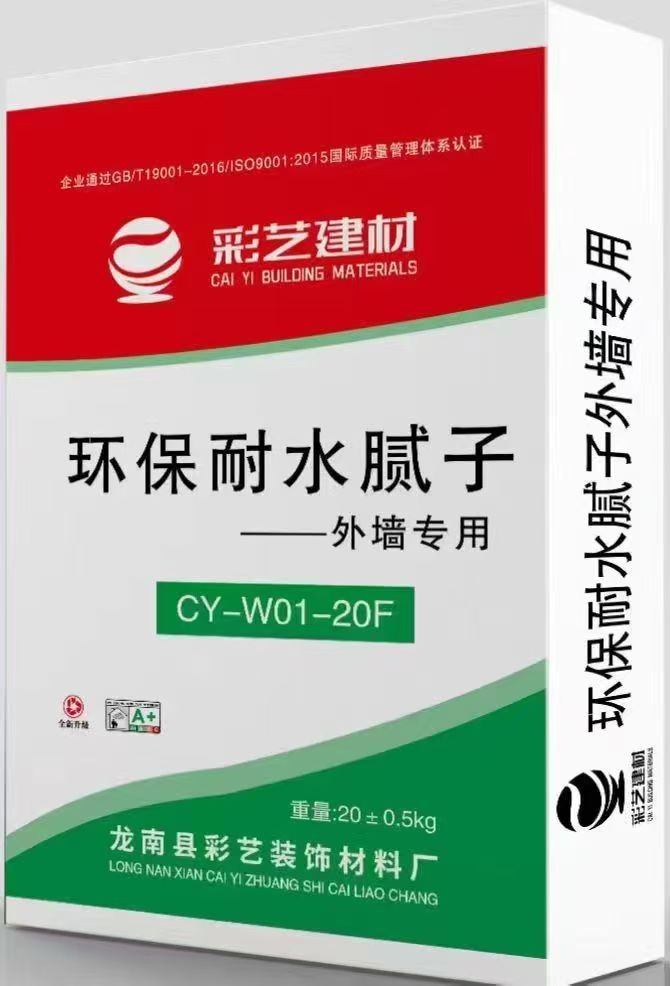
Exterior Wall Putty Product Reference
Representative product documentation for this educational scenario; not a photograph of a named customer project
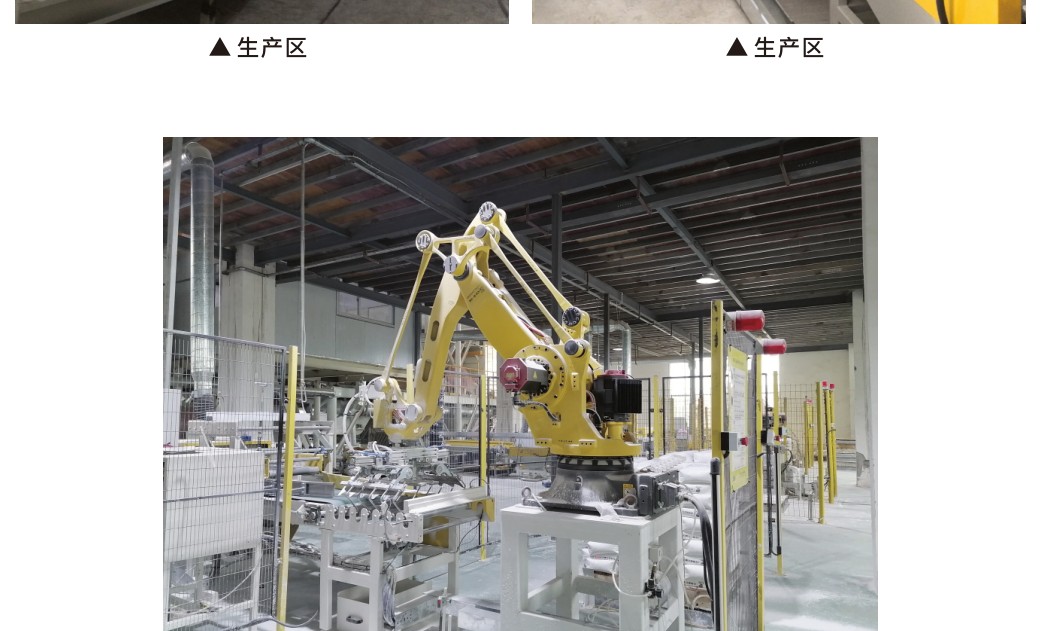
Automated Packaging Line
Factory packaging equipment used to support consistent handling and order preparation
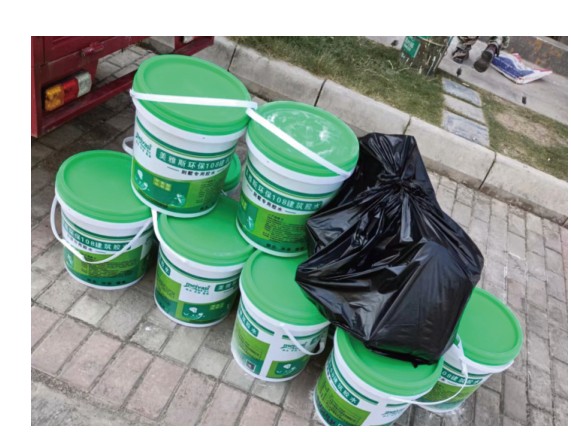
OEM Private Label Packaging
Representative packaging documentation; artwork and pack format are confirmed for each order
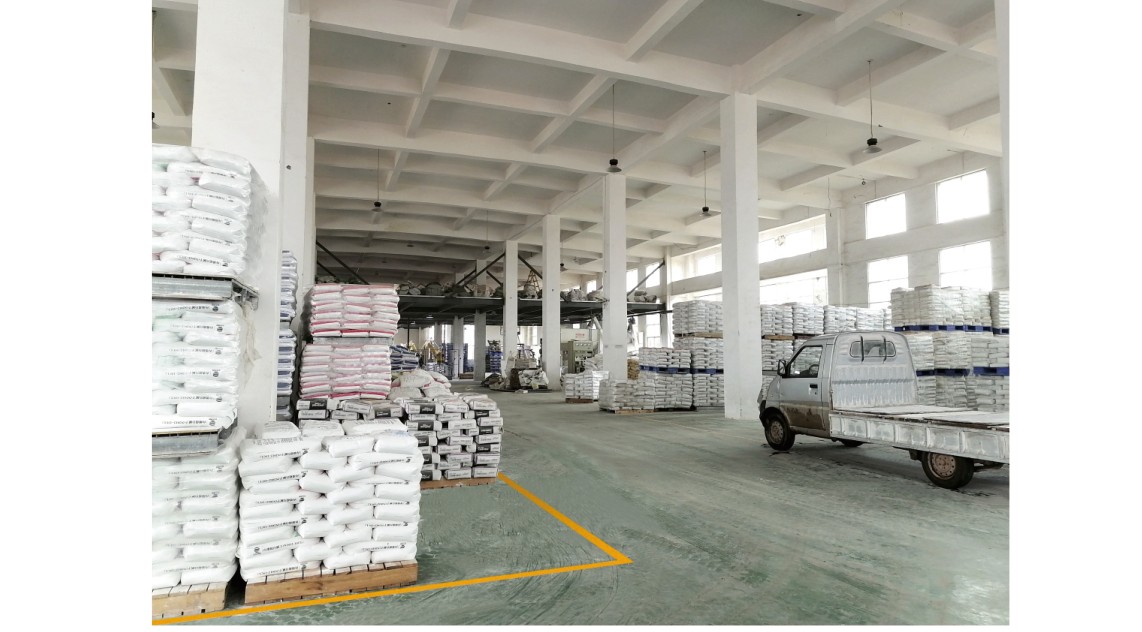
Export Dispatch Preparation
Finished products staged in a dry warehouse before outbound loading; final container plans vary by order
Background
This is an educational application and supply-planning scenario. It does not describe a named customer, authorized project, project address, certification, or completed commercial result.
A building materials importer wants to add an exterior wall putty SKU for a market with high humidity, seasonal rain, warm warehouse conditions, and mixed contractor skill levels. The material may be sold through paint dealers, hardware stores, and renovation contractors. The buyer needs a clear distinction between interior and exterior grades because retail customers may otherwise choose a lower-cost interior product for exposed walls.
The commercial challenge is not simply finding a white powder in an export bag. The proposed product must be positioned for mineral exterior walls, supported by realistic surface-preparation instructions, and packed to reduce moisture exposure during sea freight and warehouse storage. The importer also needs a repeatable sample and approval process before private label bags are printed.
Product Requirements
- Define the intended exterior substrates, exposure level, application thickness, and finishing system.
- Separate exterior wall putty from interior putty in product naming, bag color, and instructions.
- Evaluate application feel, adhesion, drying, sanding, and paint preparation through local trial panels.
- Develop export packaging and storage guidance suitable for humid distribution conditions.
- Create a reorder process based on batch identity and channel feedback.
Recommended Solution
Begin with a written application brief instead of a generic request for the best wall putty. The brief should identify whether the product is used on cement render, concrete, repair areas, sheltered facades, or fully exposed walls. Active water leakage and structural cracks must be addressed separately because wall putty is a finishing material, not a substitute for waterproofing or structural repair.
Use sample panels on representative local substrates. Record water dosage, mixing time, rest time, application thickness, weather, drying time, sanding behavior, primer compatibility, and surface appearance. A comparison is useful only when the same applicator and method are used for each sample.
For private label supply, use clear exterior-grade wording, realistic instructions, batch marks, storage statements, and a bag structure selected for export handling. Unsupported weatherproof or lifetime claims should not appear on the packaging.
Technical Workflow
| Step | Planning Detail |
|---|---|
| 1. Application brief | Document substrates, exposure, wall condition, application method, paint system, and target channel. |
| 2. Sample selection | Request an exterior-positioned sample and a comparison sample only when their intended grades are clearly defined. |
| 3. Local trial | Apply controlled panels and record mixing, workability, drying, sanding, adhesion observations, and finish quality. |
| 4. Packaging approval | Approve product wording before artwork and check bag strength, moisture protection, language, and batch fields. |
| 5. Pilot supply | Start with a manageable shipment plan and collect structured feedback from trained dealers and applicators. |
| 6. Repeat order | Reference the approved grade, artwork version, bag specification, and feedback record in each reorder. |
Packaging Options
- Confirm bag weight, non-pallet or pallet loading, destination payload limits, and unloading method.
- Keep bags away from container walls where practical and discuss clean, dry container inspection before loading.
- Plan covered warehouse storage on raised, dry surfaces with stock rotation and damaged-bag control.
- Provide dealers with a short product-selection explanation that distinguishes interior and exterior use.
Technical Notes
- Approved sample and written grade identity match the purchase order.
- Water dosage and application limits are consistent across technical material and bag artwork.
- Bag seams, printing, batch marks, and net weight are checked before loading.
- Shipment photographs and container seal information are retained.
- Complaints are reviewed against batch, storage, substrate, weather, mixing, and application records.
Expected Planning Outcomes
The outcomes below are planning objectives, not claims about a completed customer project or guaranteed performance.
- A clearer exterior wall putty offer that distributors and contractors can explain without exaggerated claims.
- Lower risk of interior-grade misuse, moisture-damaged stock, and artwork that conflicts with the product.
- A repeatable approval and feedback process for future private label orders.
FAQ
Is this a real completed project?
No. It is an educational application scenario showing how a buyer could plan product selection and supply. It does not identify or imply a real customer or completed project.
Can exterior wall putty stop active water leakage?
No. Active leakage, moving cracks, and structural defects require an appropriate repair or waterproofing system before finishing work.
Why test on local walls?
Substrate porosity, plaster quality, climate, water dosage, and applicator method can affect the observed result. A controlled local panel provides more useful evidence than a bag claim alone.
Can DCY MORTAR support OEM bags?
OEM bag design can be discussed after the product grade, sample, application range, and required label wording are confirmed.
What information should an inquiry include?
Share the destination country and port, target substrates, interior or exterior use, bag size, expected quantity, OEM needs, and any current application problems.
Discuss Your Actual Application or Supply Plan
Send your product, application, destination, quantity, packaging, and timing. DCY MORTAR can help structure a product and supply discussion based on your real requirements.
Contact DCY MORTAR