This page is an educational application or project supply scenario. It does not describe a named customer, project, address, certification, or completed commercial result.
Product, Packaging & Factory Reference
These are representative product and factory photographs from DCY MORTAR documentation. They support supply-planning context and do not depict a named customer, completed project, or guaranteed container configuration.
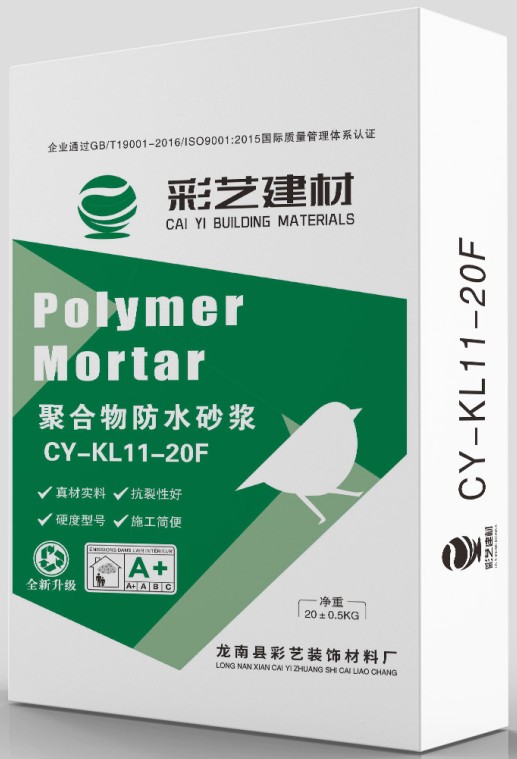
Waterproof Mortar Product Reference
Representative product documentation for this educational scenario; not a photograph of a named customer project
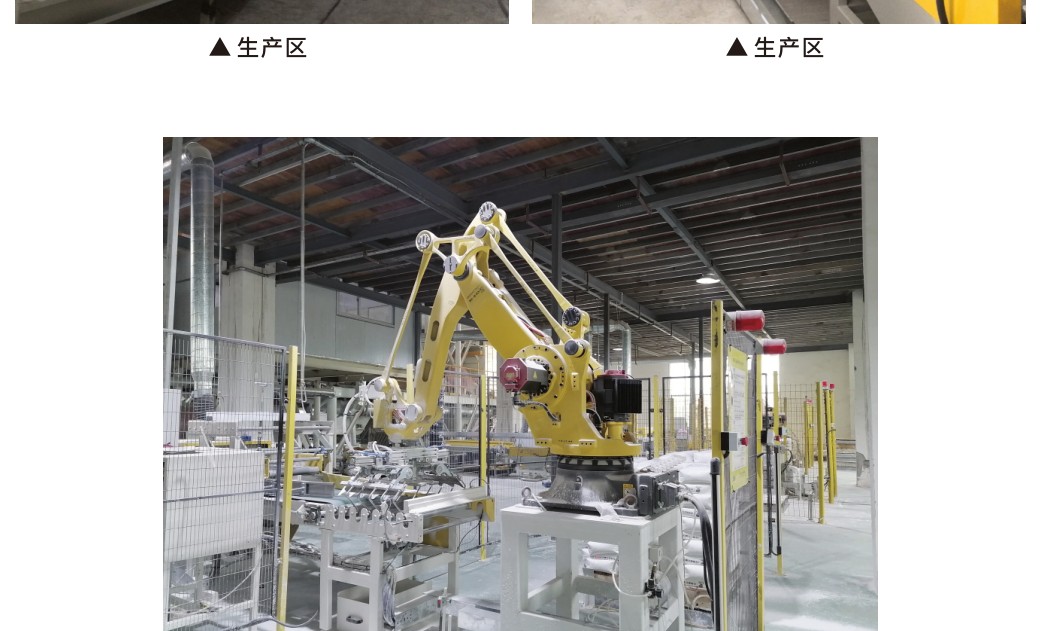
Automated Packaging Line
Factory packaging equipment used to support consistent handling and order preparation
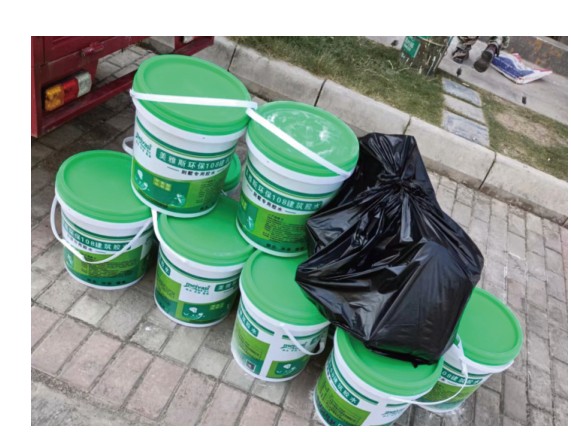
OEM Private Label Packaging
Representative packaging documentation; artwork and pack format are confirmed for each order
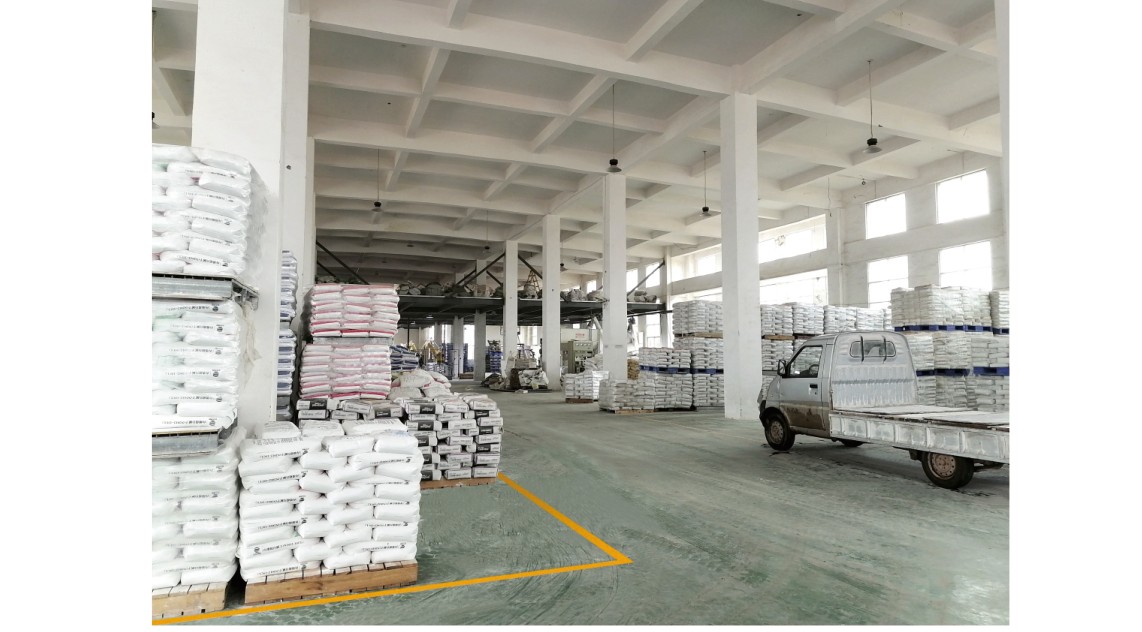
Export Dispatch Preparation
Finished products staged in a dry warehouse before outbound loading; final container plans vary by order
Background
This is an educational application and supply-planning scenario. It does not describe a named customer, authorized project, project address, certification, or completed commercial result.
A distributor wants to offer a coordinated waterproofing and tile-installation package for bathrooms and balconies. Applicators currently focus on the field area but may overlook corners, drains, pipe penetrations, changes of plane, cracks, and curing.
The commercial goal is to sell a understandable system while setting realistic limits. Cementitious waterproof mortar can be part of the solution, but it cannot compensate for moving structural cracks, incorrect falls, blocked drainage, or unsuitable substrates.
Product Requirements
- Define the water source, substrate, drainage, movement, and finishing layers.
- Create a clear sequence for preparation, detail treatment, waterproof layers, curing, checking, and tiling.
- Align waterproof mortar and tile adhesive instructions.
- Reduce failures caused by pinholes, thin areas, untreated corners, and early covering.
- Provide a useful distributor training scenario without claiming a real project.
Recommended Solution
Start with a substrate and drainage review. Surfaces should be sound, clean, appropriately prepared, and formed to the intended falls. Defects that are outside the waterproof mortar's application range should be repaired by a suitable method.
Detail corners, penetrations, drains, and changes of plane before treating the broad area. Apply the specified number of controlled layers and avoid leaving pinholes or exposed thin spots. Protect the system through curing and any agreed verification procedure before tile installation.
The selected tile adhesive should be compatible with the cured waterproof layer. Applicators need one sequence that explains waiting periods and prevents damage from traffic or subsequent trades.
Technical Workflow
| Step | Planning Detail |
|---|---|
| 1. Area classification | Identify bathrooms, balconies, water direction, drains, exposure, and the layers above and below the waterproofing. |
| 2. Substrate preparation | Check strength, cleanliness, cracks, falls, corners, penetrations, and repair requirements. |
| 3. Detail treatment | Prepare changes of plane, drains, and penetrations using the agreed compatible detail method. |
| 4. Layer application | Control mixing, thickness, coverage, recoat timing, continuity, and protection. |
| 5. Verification | Use the project-approved inspection or test procedure only after appropriate curing. |
| 6. Tile installation | Protect the waterproof layer and install tile with a compatible adhesive and controlled contact coverage. |
Packaging Options
- Estimate both field area and additional material needed for details and practical waste.
- Coordinate waterproof mortar, tile adhesive, and detail accessories as a system.
- Keep instructions consistent across packaging, technical sheets, and distributor training.
- Plan deliveries so material is stored dry and used within the specified storage period.
Technical Notes
- Substrate and drainage issues are corrected before waterproofing.
- Corners, penetrations, drains, and changes of plane are inspected.
- Layer continuity, thickness control, recoat timing, and curing are recorded.
- Subsequent trades do not puncture or contaminate the layer.
- Tile adhesive compatibility and waiting time are confirmed.
Expected Planning Outcomes
The outcomes below are planning objectives, not claims about a completed customer project or guaranteed performance.
- A clearer system offer for distributors and contractors.
- Better attention to details that commonly control waterproofing performance.
- Fewer misunderstandings about what waterproof mortar can and cannot solve.
FAQ
Is this an actual bathroom or balcony project?
No. This is an educational application scenario and does not represent a named or completed project.
Can waterproof mortar repair a moving structural crack?
A moving or structural crack needs assessment and an appropriate repair or movement-detail solution. It should not be hidden under a generic waterproof layer.
Should waterproofing be tested before tiling?
Follow the approved project method, product instructions, and local requirements. Any test must be performed after suitable curing and without damaging the system.
Why coordinate tile adhesive?
The adhesive is applied over the cured waterproof layer, so compatibility, waiting time, surface condition, and installation method matter.
What should a buyer send DCY MORTAR?
Send the application area, substrate, water exposure, required system format, packaging, quantity, destination port, and any local instructions that must appear on the bag.
Discuss Your Actual Application or Supply Plan
Send your product, application, destination, quantity, packaging, and timing. DCY MORTAR can help structure a product and supply discussion based on your real requirements.
Contact DCY MORTAR