This page is an educational application or project supply scenario. It does not describe a named customer, project, address, certification, or completed commercial result.
Product, Packaging & Factory Reference
These are representative product and factory photographs from DCY MORTAR documentation. They support supply-planning context and do not depict a named customer, completed project, or guaranteed container configuration.
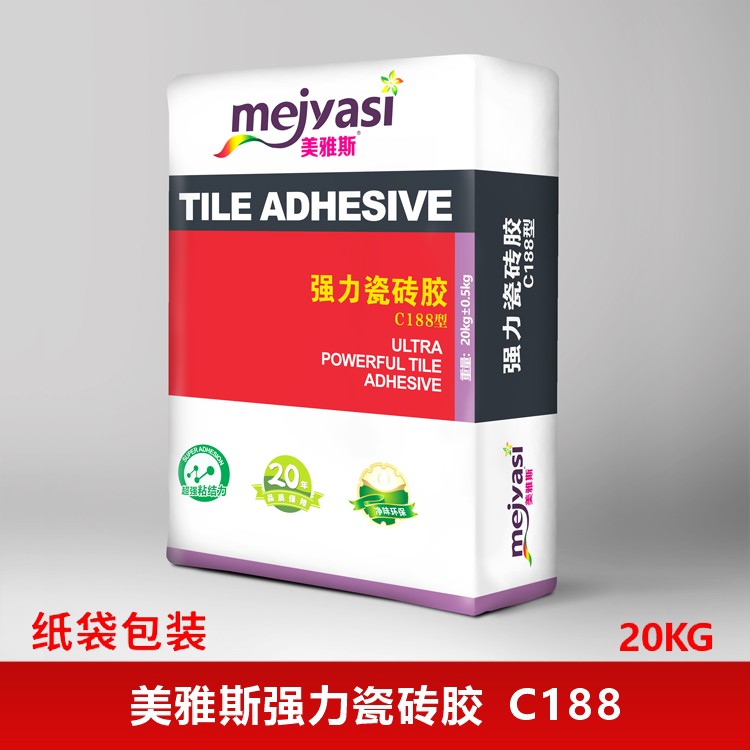
Tile Adhesive Product Reference
Representative product documentation for this educational scenario; not a photograph of a named customer project
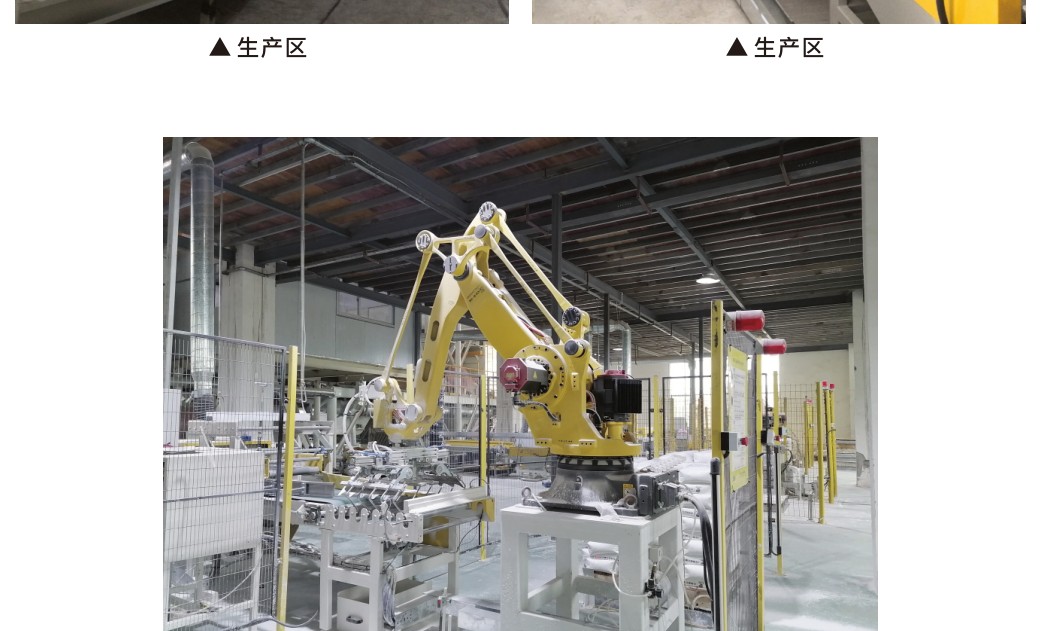
Automated Packaging Line
Factory packaging equipment used to support consistent handling and order preparation
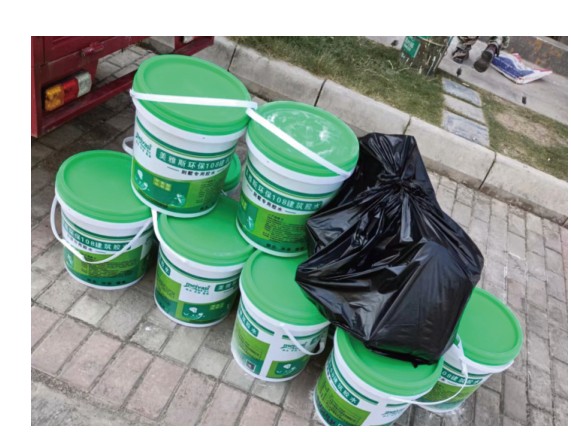
OEM Private Label Packaging
Representative packaging documentation; artwork and pack format are confirmed for each order
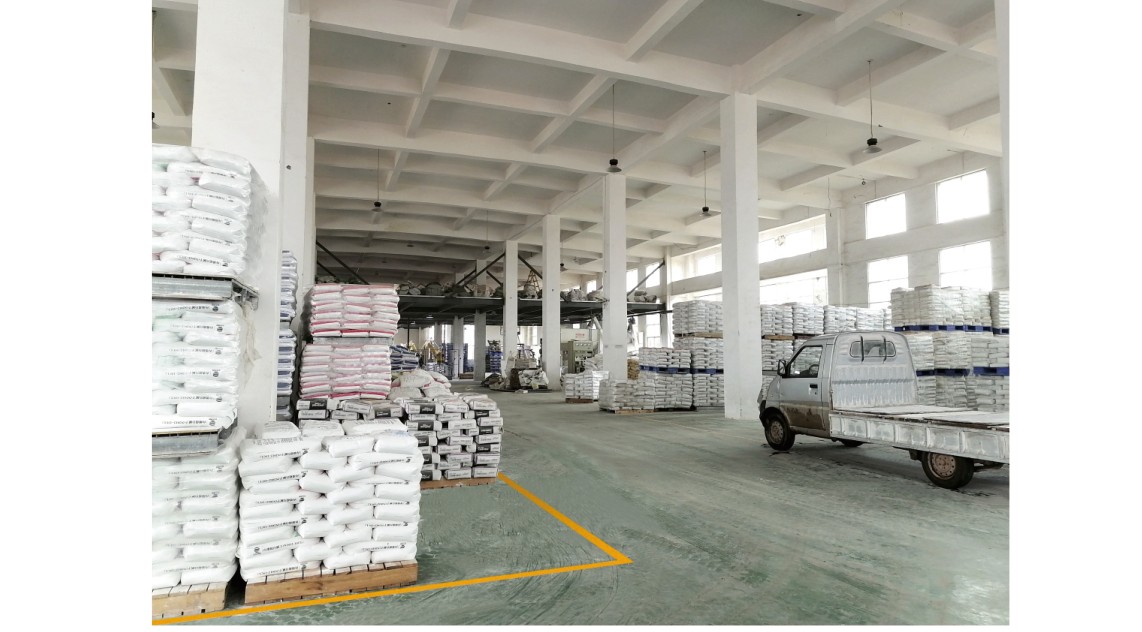
Export Dispatch Preparation
Finished products staged in a dry warehouse before outbound loading; final container plans vary by order
Background
This is an educational application and supply-planning scenario. It does not describe a named customer, authorized project, project address, certification, or completed commercial result.
A contractor supply company is preparing material options for commercial renovation where porcelain floor and wall tiles may be installed in phases. Existing substrates vary by area, working windows are limited, and installers need clear guidance on mixing, open time, trowel selection, tile-bed contact, and curing.
The buyer needs to avoid selecting adhesive from tile dimensions alone. Low water absorption, tile weight, substrate movement, indoor or outdoor exposure, wet areas, and service conditions all influence the product and installation method.
Product Requirements
- Define tile type, format, location, substrate, traffic, and exposure before grade selection.
- Select an appropriate C1 or C2 positioning without making unsupported compliance claims.
- Improve adhesive transfer and reduce hollow areas through trowel and back-buttering guidance.
- Coordinate waterproofing, movement joints, curing, and phased handover.
- Give distributors a practical method for investigating installation complaints.
Recommended Solution
Create an installation schedule that separates floors, walls, wet areas, exterior areas, and unstable renovation substrates. Review substrate flatness and strength before using adhesive to compensate for excessive irregularity.
Use representative trial areas with the actual tile. Check wetting and transfer by lifting tiles during installation. Open time should be managed by testing the adhesive surface rather than relying only on elapsed minutes, particularly in warm, windy, or air-conditioned environments.
Bag instructions and contractor training should cover water dosage, mechanical mixing, rest time where applicable, pot life, trowel selection, ridge direction, back-buttering when required, movement joints, and curing protection.
Technical Workflow
| Step | Planning Detail |
|---|---|
| 1. Installation mapping | Separate tile types, sizes, walls, floors, wet areas, exterior zones, and renovation substrates. |
| 2. Substrate review | Check strength, flatness, cleanliness, cracks, coatings, moisture, and movement before adhesive selection. |
| 3. Product trial | Test mixing, application, open time, slip, transfer coverage, tile adjustment, and early curing. |
| 4. Method statement | Define trowel, ridge direction, back-buttering, movement joints, waterproofing interfaces, and protection. |
| 5. Supply control | Deliver identified batches by phase and store bags in dry covered conditions. |
| 6. Inspection | Record trial approval, substrate checks, lifted-tile coverage checks, and handover timing. |
Packaging Options
- Estimate adhesive from installed area, trowel, substrate flatness, back-buttering, field yield, and waste.
- Keep compatible waterproof mortar available for defined wet-area systems.
- Use phase-based deliveries to reduce long storage and uncontrolled movement of bags.
- Retain batch and installation records for technical review.
Technical Notes
- Actual tile and substrate are included in the trial.
- The selected grade and application instructions match the agreed use.
- Adhesive ridges are collapsed and contact coverage is checked during work.
- Open-time skinning, excessive water, spot bonding, and early traffic are controlled.
- Movement joints and waterproofing details are not bridged or omitted.
Expected Planning Outcomes
The outcomes below are planning objectives, not claims about a completed customer project or guaranteed performance.
- A more disciplined tile installation plan based on the whole system rather than adhesive price.
- Better communication between buyer, distributor, contractor, and site supervisor.
- Reduced avoidable risk from poor substrate preparation, low contact coverage, and uncontrolled open time.
FAQ
Does this scenario claim a completed commercial project?
No. It is a planning example for education and procurement discussion.
Is C2 always required for porcelain tile?
The appropriate grade depends on tile, size, substrate, exposure, service conditions, and applicable project requirements. These factors should be reviewed together.
Why lift tiles during installation?
Lifting selected tiles shows whether adhesive has transferred and ridges have collapsed, providing a practical check of contact coverage.
Can tile adhesive level a very uneven substrate?
Large substrate irregularities should normally be corrected with an appropriate preparation method rather than uncontrolled adhesive thickness.
What should a quotation request contain?
Include tile type and size, wall or floor use, substrate, indoor or outdoor location, wet-area conditions, project quantity, destination, and packaging needs.
Discuss Your Actual Application or Supply Plan
Send your product, application, destination, quantity, packaging, and timing. DCY MORTAR can help structure a product and supply discussion based on your real requirements.
Contact DCY MORTAR