Loading market page...
🇻🇳Southeast Asia|Wall Putty
Wall Putty Supplier for Vietnam
DCY MORTAR is a China dry mix mortar manufacturer supplying wall putty for Vietnam importers, distributors, contractors, OEM private label brands, and project procurement teams. We support sample evaluation, export packaging, wholesale supply, container shipment, Vietnamese label discussion, and practical technical support for interior and exterior wall finishing applications.
Vietnam Construction Materials Market Overview
Vietnam's construction materials market continues to be shaped by residential development, commercial renovation, infrastructure-related activity, and the steady upgrading of interior and exterior finishing standards. Demand is visible in major urban areas such as Ho Chi Minh City and Hanoi, but it is also present in industrial provinces, coastal cities, tourism locations, and fast-growing secondary markets where housing, shops, hotels, offices, schools, and public facilities require reliable finishing materials. Buyers in this environment are not only looking for low unit price. They also pay attention to supply continuity, bag quality, product appearance, documentation, application guidance, and whether the material can perform in the hot and humid conditions common across Vietnam.
For building material distributors, Vietnam is a practical and competitive market. A distributor may serve hardware stores, contractor teams, paint dealers, tile shops, project buyers, and regional wholesalers at the same time. Each channel evaluates wall finishing materials differently. Retail channels want bags that look professional and are easy to explain. Contractors want a powder that mixes smoothly, spreads well, sands predictably, and helps reduce rework before painting. Project buyers want stable supply, technical documents, and consistent product identity from one shipment to the next. Because these needs overlap, wall putty suppliers must support both product performance and export execution.
The local climate is an important part of material selection. Vietnam's tropical and monsoon conditions can expose walls to heat, humidity, rain seasons, and varying site storage conditions. Interior walls need smooth finishing before paint, while exterior surfaces may need stronger resistance to moisture exposure and surface stress. Many contractors and distributors therefore prefer dry mix materials that are factory-produced rather than mixed casually on site. A controlled dry mix wall putty can help buyers maintain more consistent application behavior, especially when products are sold across multiple provinces and used by different applicator teams.
Import planning also affects the market. Vietnam has short sea freight routes from southern China, and Ho Chi Minh City Cat Lai port is a common destination for containerized building materials. Northern buyers may also consider Hai Phong depending on distribution needs. Shorter shipping routes can support faster replenishment compared with more distant markets, but importers still need clear order planning, stable bag quality, moisture-aware packaging, and documentation prepared before shipment. For OEM brand owners, Vietnam's market is attractive because local channels often value recognizable packaging, clear product positioning, and repeatable supply from a manufacturer that can support private label growth without inventing unsupported claims.
Wall Putty Demand in Vietnam
Wall putty demand in Vietnam is closely connected to painting, renovation, apartment finishing, facade preparation, and the broader movement toward smoother and more durable wall surfaces. In many projects, wall putty is applied after plastering or rendering and before primer and decorative paint. Its role is simple but important: it helps level small surface defects, improves the appearance of the finished wall, and gives painters a more predictable surface. When the putty is unstable, too weak, difficult to sand, or poorly bonded, the final paint system can show visible defects. For this reason, contractors and distributors often treat wall putty as a practical performance product, not just a commodity powder.
In Vietnam, wall putty is commonly needed for residential apartments, townhouses, villas, retail spaces, hotels, offices, schools, hospitals, and renovation jobs. Interior wall putty is used where smoothness, whiteness, easy sanding, and paint readiness matter. Exterior wall putty is used where the surface may face stronger weather exposure, temperature change, and higher moisture risk. Buyers may also require different grades depending on whether the final finish is standard emulsion paint, premium paint, textured coating, or a more demanding exterior coating system. A supplier that can discuss interior and exterior grades separately is more useful than a supplier that offers only one generic product.
The demand profile also differs by buyer type. Importers and wholesalers look for products that can be ordered in full containers, stored safely, and distributed through multiple sales channels. Paint and hardware dealers care about bag appearance, product explanation, and repeat customer feedback. Contractors care about working time, mixing ratio, spreadability, adhesion, sanding behavior, and whether the wall surface remains stable before painting. OEM private label buyers want to build a recognizable local brand, so they need packaging support, label language discussion, technical datasheets, and a formula position that matches their intended retail or project channel.
Vietnam's hot and humid conditions make stable formulation especially important for wall putty. On site, bags may be exposed to warehouse humidity, long storage, open-air handling, and different workmanship habits. A good product should be easy to mix with clean water, maintain workable consistency, apply smoothly with common tools, and dry in a way that supports sanding and coating. It should also be supported by practical guidance on substrate preparation, surface cleaning, curing condition, storage, and compatibility with primer and paint systems. DCY MORTAR positions wall putty for Vietnam as a factory-produced dry mix material that importers can evaluate through samples, documentation, and discussion before committing to container orders.
Another reason wall putty demand remains relevant is the growth of branded building material channels. Many distributors do not want anonymous bags with unclear instructions. They want a product line that can be explained to retail buyers and contractors, supported with consistent packaging, and expanded later into tile adhesive, waterproof mortar, repair mortar, or other dry mix products. Wall putty is often a strong starting SKU because it is familiar, widely used, and connected to paint and finishing work. For Vietnam buyers, a reliable wall putty supply program can therefore support both immediate sales and long-term brand development.
Importing Wall Putty from China to Vietnam
Importing wall putty from China to Vietnam should begin with a clear product brief. Before discussing price, the buyer should define whether the order is for interior wall putty, exterior wall putty, skim coat, paint-ready finishing putty, or a broader OEM product line. The intended channel also matters. A product for hardware store retail may need attractive packaging and simple application instructions, while a product for contractors may need stronger focus on workability, coverage, adhesion, sanding, and project documentation. DCY MORTAR can support the discussion by reviewing target application, packaging size, brand requirements, destination port, expected order quantity, and sample testing needs.
Samples are recommended before bulk purchasing. A Vietnam buyer can use samples to check powder appearance, mixing feel, trowel application, drying behavior, sanding, surface smoothness, and compatibility with the intended paint system. Sample evaluation is especially important for OEM private label buyers, because the packaging and product promise should match real performance. DCY MORTAR does not recommend building a label around unsupported claims. A safer approach is to confirm product grade, application range, usage instructions, storage guidance, and technical language before finalizing bag artwork. This helps the importer avoid confusion after the product enters the local sales channel.
Packaging is a major part of the import plan. Wall putty is commonly supplied in 20 kg or 25 kg bags, with export-ready laminated paper bags or other suitable packaging depending on the buyer's channel. OEM packaging can include the buyer's brand name, product name, grade, color system, mixing instruction, application method, safety information, batch information, and language choices. For Vietnam, importers may want Vietnamese labeling or bilingual packaging depending on their sales strategy and regulatory or distributor requirements. Bag strength, moisture resistance, palletizing method, and container loading plan should be confirmed before production, because wall putty powder must arrive in sellable condition.
Container purchasing requires practical planning. A 20 ft container is often preferred for dense powder products because weight limits can be reached before volume is fully used. Buyers should confirm target bag weight, palletized or non-palletized loading, destination port, warehouse unloading method, and whether the container will include only wall putty or a mixed dry mix mortar selection. For Vietnam, Cat Lai in Ho Chi Minh City is a common port for southern distribution, while Hai Phong may be relevant for northern buyers. Shipping time from China to Vietnam is usually shorter than long-haul export markets, but production lead time, vessel schedule, customs handling, and inland delivery still need to be considered.
Documentation should be discussed early. Common export documents may include commercial invoice, packing list, bill of lading, certificate of analysis, material safety data sheet, and available technical documents or test reports. If the buyer's customs broker, retailer, or project customer requires additional paperwork, that requirement should be shared before shipment. DCY MORTAR can also support technical communication around mixing ratio, substrate preparation, storage, application thickness, drying condition, sanding, primer compatibility, and related product selection. A well-prepared import order is not only about receiving bags from China; it is about receiving a product, label, document set, and supply plan that can be sold repeatedly in Vietnam.
Market Challenges in Vietnam
Practical buying and application issues that often matter to wall putty importers, distributors, and contractors.
- !Vietnam's construction boom drives strong demand for imported building chemicals
- !Local distributors pay premium prices through multiple import agents
- !Hot humid climate requires crack-resistant wall putty and waterproof mortar
Related DCY MORTAR Products for Vietnam
Product detail pages connected to this wall putty supply topic.
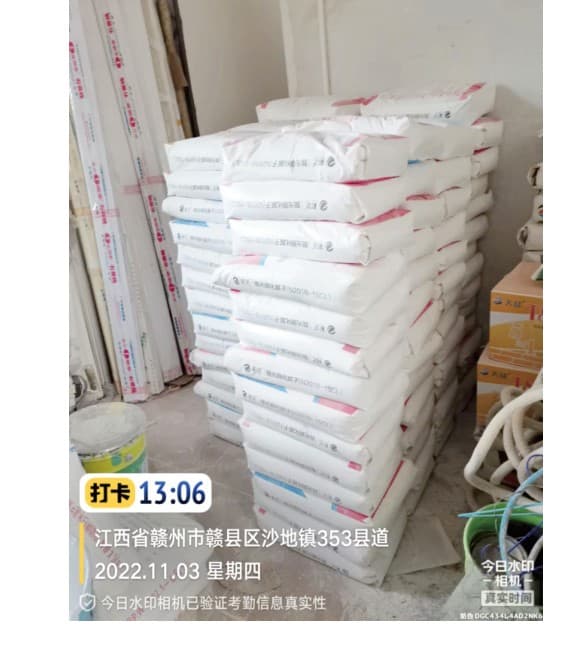
Finishing
Interior Wall Putty
Premium interior wall putty for smooth, paint-ready surfaces in residential and commercial projects.
20kg bags · Alternative OEM pack formats subject to production confirmationView Details
Finishing
Exterior Wall Putty
Weather-resistant exterior wall putty for facade preparation and decorative coating systems.
20kg bags · Alternative OEM pack formats subject to production confirmationView Details
Finishing
Skim Coat
Ultra-fine skim coat for premium wall finishing and decorative paint-ready surfaces.
20kg laminated bags · Private label packaging availableView Details
Why Choose DCY MORTAR
DCY MORTAR is a China dry mix mortar manufacturer focused on export supply for building material distributors, OEM private label buyers, contractors, and project procurement teams. For Vietnam wall putty buyers, this means the discussion can cover formulation position, packaging, documentation, sample evaluation, container shipment, and related dry mix products in one supply conversation. Instead of treating wall putty as a loose trading item, DCY MORTAR supports it as part of a controlled dry mix mortar program where repeatability, export readiness, and practical application support are important.
Stable formulation is one of the main reasons importers work directly with a manufacturer. Vietnam distributors need products that behave consistently across repeat orders because their customers remember the application experience. If one shipment sands well and the next shipment behaves differently, the local brand can lose trust. DCY MORTAR focuses on factory-produced dry mix materials with controlled batching and practical quality discussion. Buyers can request samples, review technical information, and align product grade with interior or exterior use before moving to bulk orders. This process is more reliable than choosing a supplier only by the lowest quoted price.
OEM private label support is also important for the Vietnam market. Many importers want to build their own wall putty brand instead of selling generic bags. DCY MORTAR can discuss custom packaging, bag size, label language, product naming, technical wording, and a coordinated product family that may later include tile adhesive, waterproof mortar, repair mortar, and other dry mix products. The goal is to help the buyer create a product line that is clear, practical, and suitable for local channels without using false project cases, invented customer names, or unsupported certification claims.
Export packaging and logistics experience are another advantage. Wall putty is a powder product, so packaging strength, moisture protection, container loading, and shipment planning matter. DCY MORTAR can discuss export-ready bags, pallet options, documentation, FOB or CIF terms, and destination planning for Cat Lai, Hai Phong, or other Vietnam logistics routes. Technical support is available for mixing, substrate preparation, storage, application, sanding, and coating compatibility. For buyers serving Vietnam's humid construction environment, this combination of manufacturer supply, OEM support, export packaging, and practical technical communication can make wall putty sourcing more stable over repeat shipments.
Repeat purchasing is where supplier discipline becomes visible. A Vietnam importer may start with one wall putty order, but the real business depends on whether the next shipments keep the same bag appearance, product identity, mixing behavior, and technical documentation. DCY MORTAR supports this long-term view by keeping communication focused on practical buyer needs: product grade selection, packaging approval, sample confirmation, shipment timing, and after-sales technical questions from distributors or contractors. This makes the supply program easier to manage for companies that want to build a dependable building material brand rather than make a one-time spot purchase. It also helps purchasing teams compare quotations more fairly, because they can look beyond bag price and review packaging, loading method, product positioning, document readiness, and the supplier response process before deciding whether the offer is suitable for Vietnam distribution. This also gives sales teams a clearer basis for explaining product value to contractors, dealers, and repeat wholesale customers.
+Dedicated wall putty export support for Vietnam distributors and contractors
+Factory-direct FOB/CIF discussion for Vietnam importers
+Factory-produced dry mix mortar with controlled batching and repeatable product identity
+OEM private label support for custom bag design, language, and brand positioning
+Export packaging, COA, MSDS, and container loading guidance
+Technical support for mixing, substrate preparation, storage, and application
Packaging
- -20kg laminated paper bags — standard export packaging
- -Alternative OEM pack formats require production confirmation
- -Custom branding and multi-language labels after artwork review
Container Loading
- -Illustrative calculation: 1,250 x 20kg bags equals 25,000 kg before pallet and protection weight
- -Final loading follows the container payload rating, route limits, pallet method, and quotation
- -Moisture protection and pallet requirements are confirmed per order
Shipping to Vietnam
Main Port
Ho Chi Minh City (Cat Lai)
Transit Time
8–15 days
Region
Southeast Asia
- -Primary port: Cat Lai, Ho Chi Minh City
- -Secondary port: Hai Phong for northern Vietnam
- -Short transit time: 8–15 days from southern China ports
- -Vietnam customs documentation and COA support provided
- -Transit time from China: 8–15 days
- -Primary destination port: Ho Chi Minh City (Cat Lai)
- -FOB and CIF terms can be discussed based on destination and order quantity
- -Sample evaluation, OEM packaging, and container booking support are available
Frequently Asked Questions
Common questions about importing wall putty from China to Vietnam.
Can DCY MORTAR supply wall putty to Vietnam?+-
Yes. DCY MORTAR can supply wall putty from China for Vietnam importers, distributors, contractors, OEM private label brands, and project buyers. The export discussion can include samples, packaging, documentation, container loading, and shipment planning to Cat Lai or other Vietnam ports.
Is the wall putty suitable for Vietnam's hot and humid climate?+-
DCY MORTAR can discuss wall putty grades for humid and tropical construction conditions. Suitability should be confirmed through sample testing, substrate review, application method, storage condition, and the intended use, such as interior finishing or exterior wall preparation.
Can I request samples before placing a container order?+-
Yes. Samples can be arranged before bulk purchasing. Buyers can evaluate mixing feel, trowel application, drying behavior, sanding, surface smoothness, and compatibility with the intended primer or paint system before confirming an OEM or container order.
Do you offer OEM private label wall putty for Vietnam?+-
Yes. DCY MORTAR supports OEM private label wall putty, including custom bag design, brand name, product grade, label language, usage instructions, safety information, and technical documents. Packaging details should be confirmed before production.
What bag sizes are available for wall putty?+-
Common wall putty packaging includes 20 kg and 25 kg bags. Packaging can be discussed based on the buyer's sales channel, warehouse handling, retail positioning, and container loading plan. OEM bag design is available for private label buyers.
Which Vietnam ports can be used for shipment?+-
Cat Lai in Ho Chi Minh City is a common destination for southern Vietnam distribution, while Hai Phong may be suitable for northern Vietnam buyers. The final port depends on the buyer's warehouse location, customs broker, and inland delivery plan.
What documents can be provided for importing wall putty?+-
Common export documents may include commercial invoice, packing list, bill of lading, certificate of analysis, material safety data sheet, and available technical documents or test reports. Additional requirements should be shared before shipment.
Can wall putty be shipped with other dry mix mortar products?+-
Yes. Mixed-SKU container planning can be discussed if the buyer wants to combine wall putty with tile adhesive, waterproof mortar, repair mortar, or other dry mix products. Final loading depends on product weight, bag size, and order quantity.
What information is needed for a quotation?+-
Please provide the target product grade, bag size, packaging requirement, estimated quantity, destination port, OEM needs, label language, and whether samples are required. This information helps DCY MORTAR prepare a more practical FOB or CIF discussion.
Does DCY MORTAR provide technical support for wall putty application?+-
Yes. Technical communication can cover mixing ratio, substrate preparation, surface cleaning, application thickness, drying condition, sanding, storage, and compatibility with primer or paint systems. This helps importers support local distributors and contractors.
Related Products
Product Detail
More Products for Vietnam
Related Guides
Buying Guides
Knowledge Base
Application Scenarios
Contact CTA
Request factory-direct FOB/CIF pricing for wall putty shipped to Vietnam.
More Wall Putty export markets: