This page is an educational application or project supply scenario. It does not describe a named customer, project, address, certification, or completed commercial result.
Product, Packaging & Factory Reference
These are representative product and factory photographs from DCY MORTAR documentation. They support supply-planning context and do not depict a named customer, completed project, or guaranteed container configuration.

Interior Wall Putty Product Reference
Representative product documentation for this educational scenario; not a photograph of a named customer project
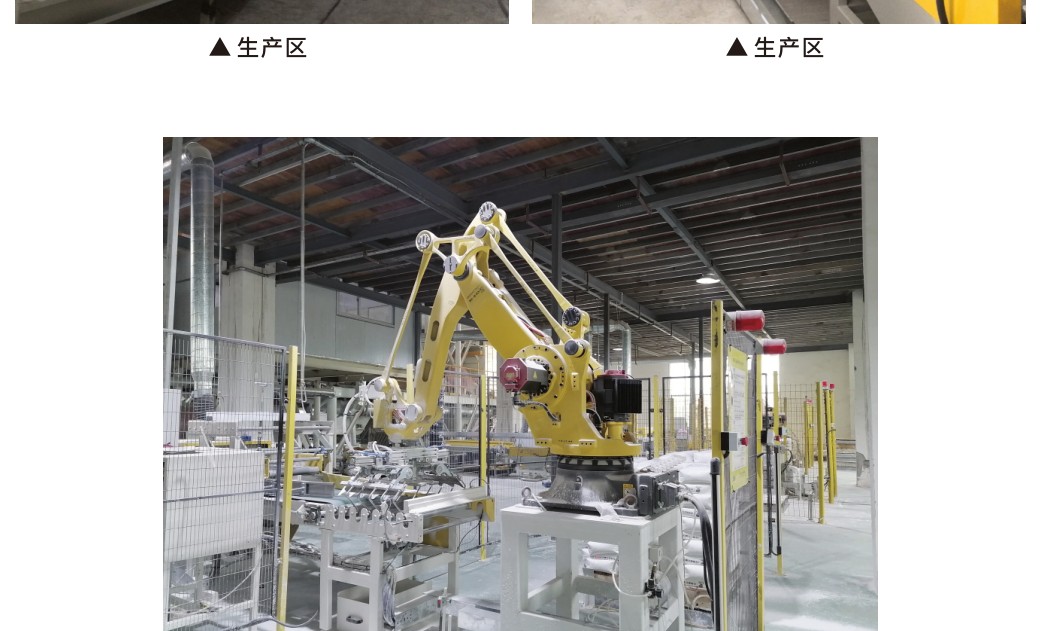
Automated Packaging Line
Factory packaging equipment used to support consistent handling and order preparation
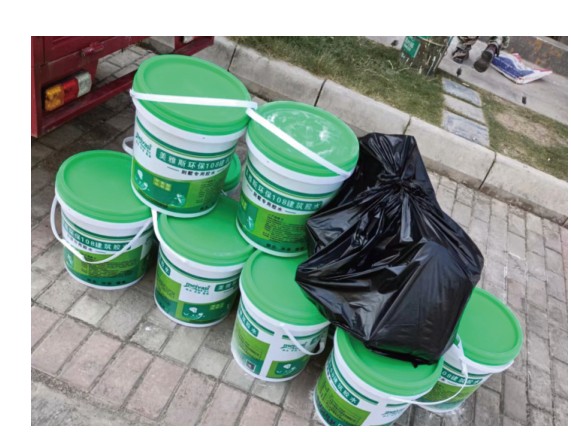
OEM Private Label Packaging
Representative packaging documentation; artwork and pack format are confirmed for each order
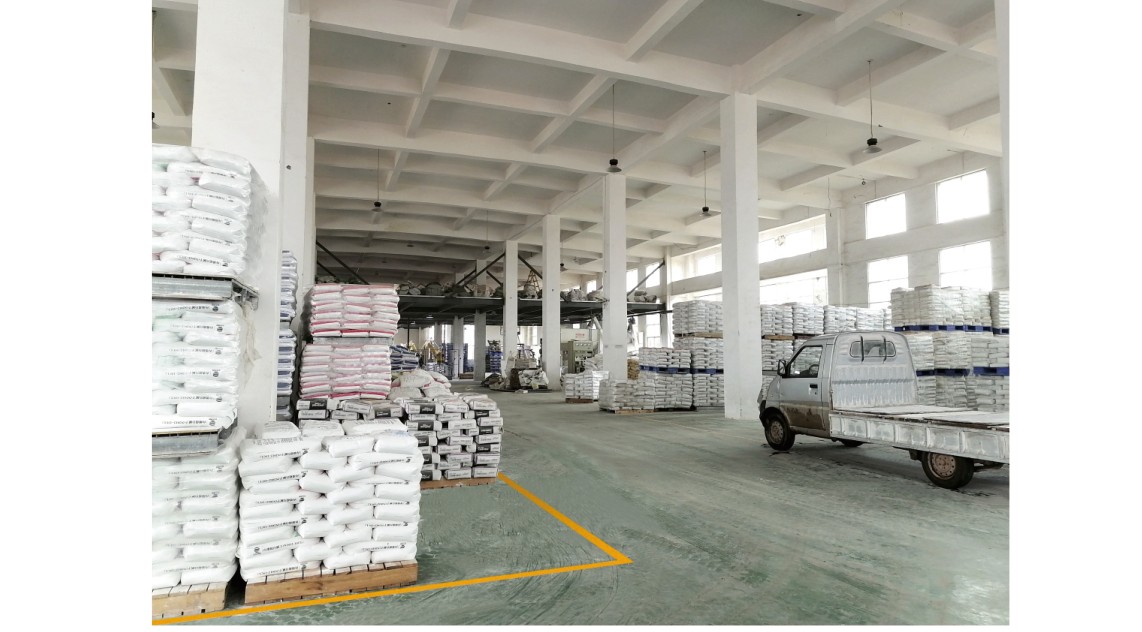
Export Dispatch Preparation
Finished products staged in a dry warehouse before outbound loading; final container plans vary by order
Background
This is an educational application and supply-planning scenario. It does not describe a named customer, authorized project, project address, certification, or completed commercial result.
A regional building materials distributor wants to introduce a private label wall putty range. The initial idea includes interior and exterior products, but the sales team needs simple grade differentiation and the importer wants to avoid committing to printed bags before samples are approved.
The supply project must connect brand positioning with formula selection, bag wording, export durability, container economics, warehouse handling, and dealer education. A logo alone will not create a credible product family.
Product Requirements
- Launch a focused SKU range with distinct applications and minimal channel confusion.
- Approve product samples before final bag artwork and mass printing.
- Create controlled OEM artwork with realistic claims and local-language review.
- Plan first-container quantities around channel demand and storage capacity.
- Establish feedback, stock rotation, and reorder rules.
Recommended Solution
Start with a channel and product brief. Define who buys each SKU, where it is applied, what problem it solves, and why a dealer would stock it. Keep the first range focused rather than filling the container with too many slow-moving grades.
Approve trial material and product naming before artwork. The interior and exterior bags should use consistent brand architecture while remaining easy to distinguish in a warehouse or retail display. Instructions, warnings, net weight, batch fields, and storage wording need controlled review.
For the first shipment, balance commercial variety against practical minimum quantities, loading sequence, warehouse identification, and cash tied up in inventory. Reorder decisions should use sell-through and complaint records rather than intuition alone.
Technical Workflow
| Step | Planning Detail |
|---|---|
| 1. Brand brief | Define target buyers, channel position, product promise, language, and visual architecture. |
| 2. SKU decision | Select a focused interior and exterior range with written application boundaries. |
| 3. Sample approval | Complete controlled local trials before artwork is locked. |
| 4. Artwork control | Review dieline, claims, instructions, translations, colors, barcode ownership, and version number. |
| 5. First shipment | Confirm bag quantities, loading sequence, documents, destination limits, and warehouse labeling. |
| 6. Market review | Track active dealers, stock age, repeat demand, application questions, damaged bags, and complaints. |
Packaging Options
- Use a signed specification and artwork version for each SKU.
- Plan printed-bag quantities with future reorder continuity in mind.
- Separate SKUs visibly during loading and provide a clear packing list.
- Prepare dealer talking points for interior versus exterior selection.
- Set reorder points using production lead time, sailing time, customs, and inland delivery.
Technical Notes
- Approved sample identity is linked to the order.
- Artwork does not include invented certifications or unsupported performance claims.
- Print proof, bag construction, seams, colors, and batch fields are checked.
- Loaded quantities match the SKU packing list.
- Repeat orders reference the same controlled product and artwork version.
Expected Planning Outcomes
The outcomes below are planning objectives, not claims about a completed customer project or guaranteed performance.
- A more coherent private label wall putty range.
- Lower risk of artwork rework and product-grade confusion.
- A practical foundation for dealer education and repeat supply.
FAQ
Does this describe an actual private label customer?
No. It is an illustrative supply-planning scenario and contains no real customer identity or commercial result.
When should OEM artwork begin?
Brand exploration can start early, but final product wording and printing should follow grade definition and sample approval.
Should a new brand launch many SKUs?
A focused range is usually easier to explain, stock, and support. Expansion should follow verified channel demand.
Can a container contain interior and exterior putty?
Mixed-SKU loading may be discussed subject to quantity, bag supply, container payload, loading efficiency, and clear identification.
What information is needed for OEM discussion?
Provide target market, SKU plan, bag size, expected volume, brand assets, label language, destination port, and required launch timing.
Discuss Your Actual Application or Supply Plan
Send your product, application, destination, quantity, packaging, and timing. DCY MORTAR can help structure a product and supply discussion based on your real requirements.
Contact DCY MORTAR