This page is an educational application or project supply scenario. It does not describe a named customer, project, address, certification, or completed commercial result.
Product, Packaging & Factory Reference
These are representative product and factory photographs from DCY MORTAR documentation. They support supply-planning context and do not depict a named customer, completed project, or guaranteed container configuration.

Interior Wall Putty Product Reference
Representative product documentation for this educational scenario; not a photograph of a named customer project

Automated Packaging Line
Factory packaging equipment used to support consistent handling and order preparation
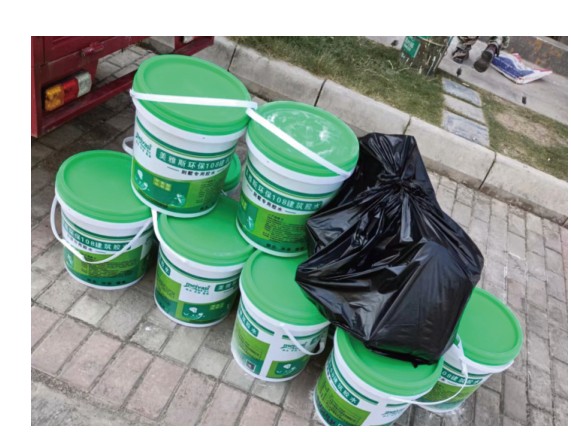
OEM Private Label Packaging
Representative packaging documentation; artwork and pack format are confirmed for each order
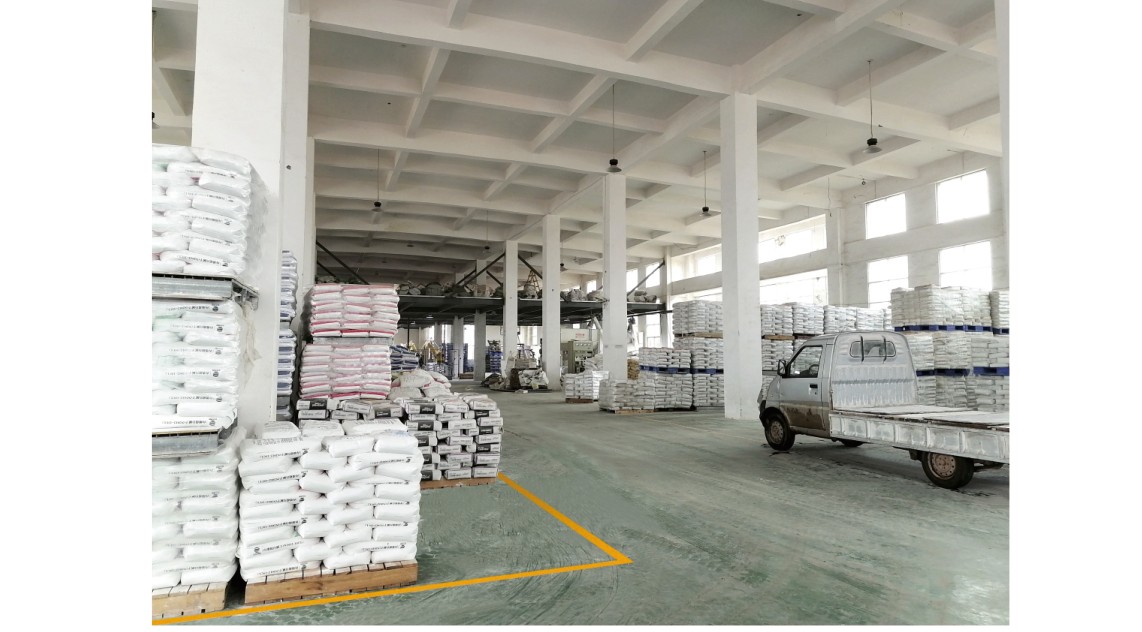
Export Dispatch Preparation
Finished products staged in a dry warehouse before outbound loading; final container plans vary by order
Background
This is an educational application and supply-planning scenario. It does not describe a named customer, authorized project, project address, certification, or completed commercial result.
A renovation material supplier needs to recommend a wall finishing system for occupied apartment units with old paint, repaired plaster, local cracks, uneven absorbency, and tight work schedules. Different rooms may require different preparation even when the final paint color is the same.
The key decision is separating substrate repair and coating removal from fine surface finishing. Wall putty or skim coat should not be expected to stabilize weak plaster, bridge active cracks, or bond reliably over contamination.
Product Requirements
- Classify existing surfaces before selecting wall finishing material.
- Separate repairs, leveling, fine smoothing, primer, and paint stages.
- Use sample panels to confirm finish and paint compatibility.
- Reduce dust, rework, and product misuse in occupied renovation.
- Coordinate supply by renovation phase.
Recommended Solution
Survey representative rooms and classify sound plaster, weak areas, coatings, cracks, damp locations, and repaired patches. Remove unsound material and resolve moisture sources before fine finishing.
Compare wall putty and skim coat based on local terminology, substrate, required finish, thickness, sanding, and painter expectations. Use a sample panel that includes the proposed primer and paint because the final appearance depends on the full system.
Provide applicators with water dosage, mixing, layer thickness, drying, sanding, dust removal, and recoating guidance. Schedule deliveries so bags remain dry and do not obstruct occupied areas.
Technical Workflow
| Step | Planning Detail |
|---|---|
| 1. Surface survey | Map coatings, plaster condition, cracks, dampness, repairs, flatness, and absorbency. |
| 2. Repair separation | Identify work that requires repair mortar, crack treatment, coating removal, or moisture correction. |
| 3. Finish selection | Choose wall putty or skim coat for the defined smoothing and paint-preparation task. |
| 4. Mock-up | Complete a representative panel through primer and paint and agree on acceptance criteria. |
| 5. Phased application | Control mixing, thickness, ventilation, drying, sanding, cleaning, and protection. |
| 6. Handover | Inspect surface continuity and record any substrate-related exceptions. |
Packaging Options
- Estimate net wall area after openings and add measured allowances for substrate variation and repairs.
- Deliver manageable quantities by floor or renovation phase.
- Store bags in dry rooms away from wet trades.
- Coordinate putty, primer, paint, abrasives, and surface-protection materials.
Technical Notes
- Damp and unsound areas are not hidden under finishing material.
- The mock-up represents the intended wall and complete paint system.
- Water dosage, layer thickness, drying, and sanding timing are controlled.
- Dust is removed before primer or paint.
- Material consumption is compared with measured area and actual substrate condition.
Expected Planning Outcomes
The outcomes below are planning objectives, not claims about a completed customer project or guaranteed performance.
- Clearer responsibility between substrate repair and surface finishing.
- A repeatable renovation sequence for contractors and suppliers.
- More reliable quantity planning and fewer finish-related misunderstandings.
FAQ
Is this a real apartment project?
No. It is an educational renovation scenario without a customer, project name, or address.
Should old paint always remain?
Existing coatings must be assessed for adhesion, compatibility, contamination, and condition. Unsound material should not be covered without suitable preparation.
Can putty repair deep holes?
Deep defects may require an appropriate repair or leveling material. Fine wall putty should be used within its intended thickness and application range.
Why include primer and paint in the mock-up?
The final appearance and compatibility depend on the complete finishing system, not the putty surface alone.
How is quantity estimated?
Use net wall area, measured trial coverage, coat count, thickness, substrate roughness, repair needs, sanding loss, and practical waste.
Discuss Your Actual Application or Supply Plan
Send your product, application, destination, quantity, packaging, and timing. DCY MORTAR can help structure a product and supply discussion based on your real requirements.
Contact DCY MORTAR