This page is an educational application or project supply scenario. It does not describe a named customer, project, address, certification, or completed commercial result.
Product, Packaging & Factory Reference
These are representative product and factory photographs from DCY MORTAR documentation. They support supply-planning context and do not depict a named customer, completed project, or guaranteed container configuration.
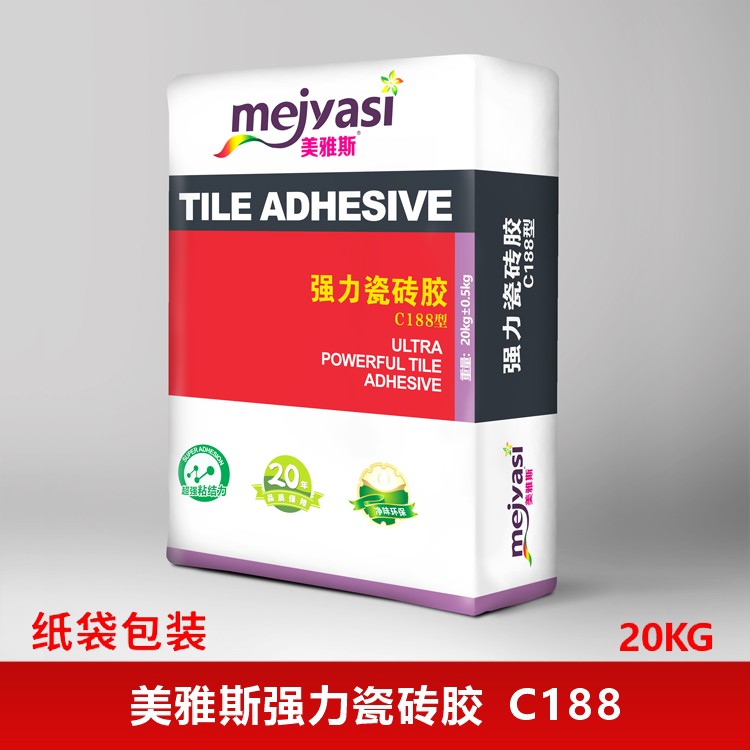
Tile Adhesive Product Reference
Representative product documentation for this educational scenario; not a photograph of a named customer project
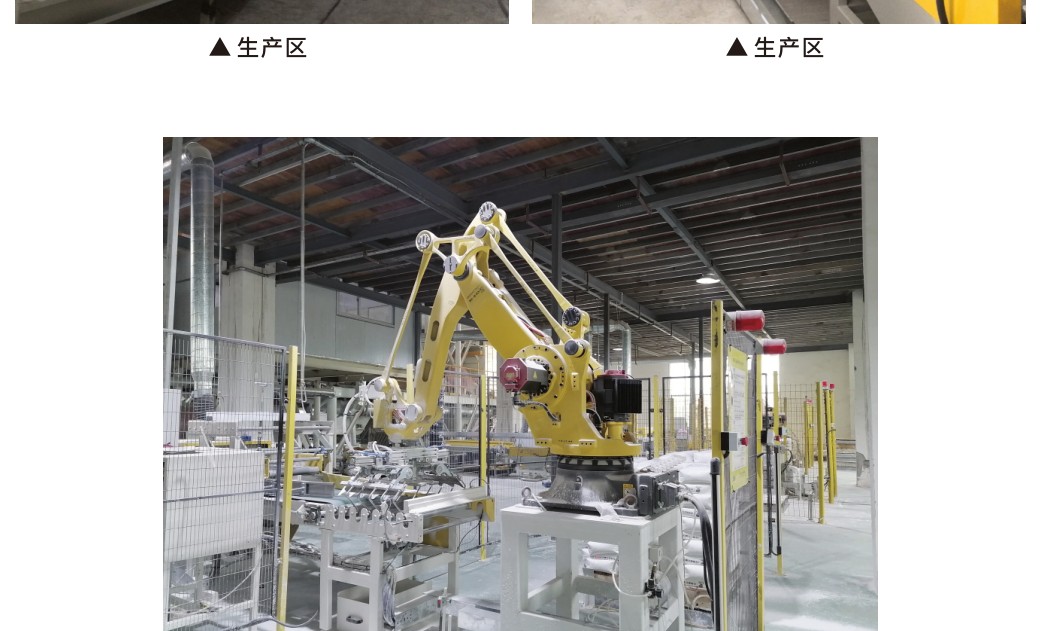
Automated Packaging Line
Factory packaging equipment used to support consistent handling and order preparation
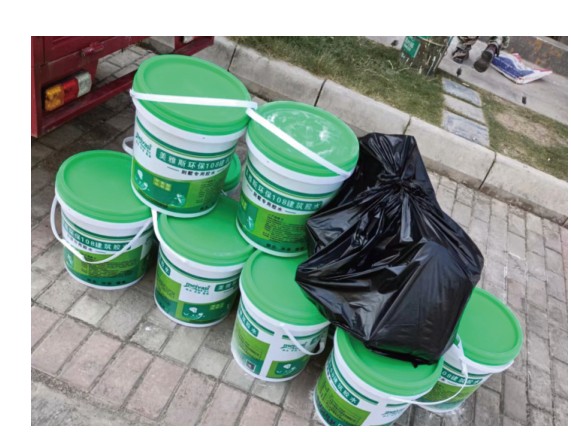
OEM Private Label Packaging
Representative packaging documentation; artwork and pack format are confirmed for each order
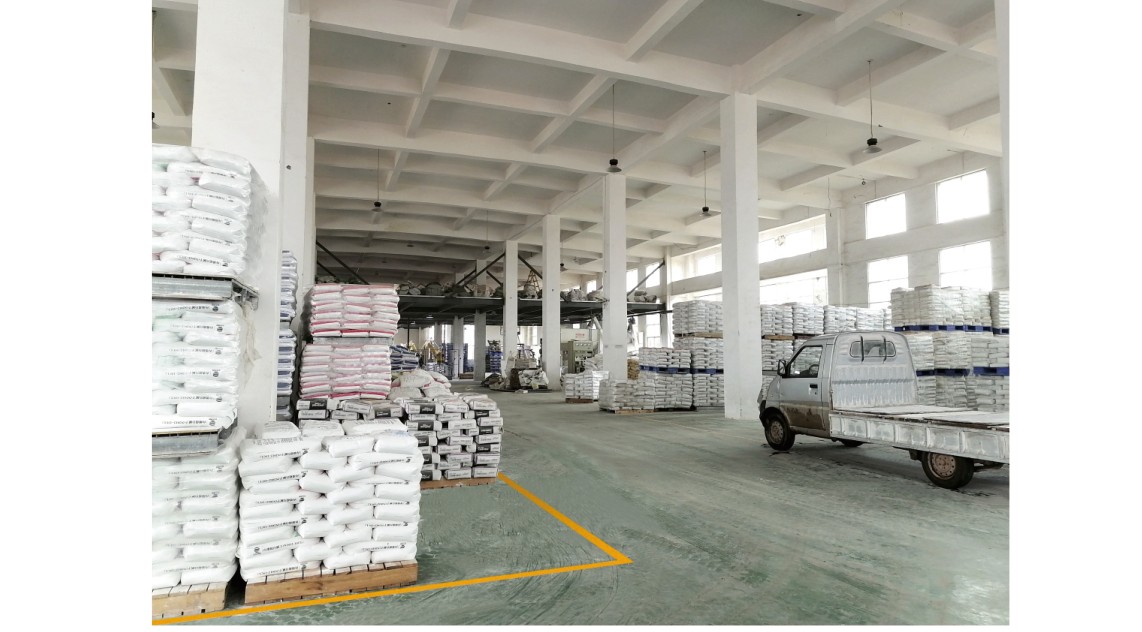
Export Dispatch Preparation
Finished products staged in a dry warehouse before outbound loading; final container plans vary by order
Background
This is an educational application and supply-planning scenario. It does not describe a named customer, authorized project, project address, certification, or completed commercial result.
A distributor entering dry mix mortar wants to test several complementary products in one container rather than committing the full payload to one SKU. The proposed range includes wall putty, tile adhesive, and waterproof mortar for hardware dealers and contractor supply.
The risk is creating too much variety, inefficient loading, unclear stock identity, and insufficient quantity to build repeat demand. The supply plan must balance market learning with packaging minimums, container payload, warehouse space, sales training, and reorder lead time.
Product Requirements
- Choose a small product family with clear channel roles.
- Normalize bag weight, product grade, and landed cost before setting resale prices.
- Plan mixed-SKU loading within payload and destination transport limits.
- Keep products identifiable during unloading and warehouse storage.
- Measure demand and establish reorder priorities.
Recommended Solution
Use dealer and contractor interviews to rank applications before selecting quantities. One core SKU can carry more inventory, while complementary products receive controlled trial quantities. Each item should have a one-sentence role that sales staff can explain.
Build a loading plan from gross weight, bag dimensions, pallet choice, container limits, and unloading sequence. Volume alone is not a reliable guide for dense mortar products. Destination road limits and local handling must be checked by the buyer and logistics partners.
After arrival, separate inventory by SKU and batch. Track active outlets, stock age, damaged bags, contractor questions, repeat inquiries, and cash collection. These records guide the second order.
Technical Workflow
| Step | Planning Detail |
|---|---|
| 1. Demand ranking | Interview target dealers and contractors and rank wall finishing, tile installation, and waterproofing demand. |
| 2. SKU brief | Define product grade, bag size, target user, application, and commercial role for each item. |
| 3. Samples | Approve representative samples and basic sales instructions. |
| 4. Loading model | Calculate gross payload, bag count, pallet impact, weight distribution, and unloading sequence. |
| 5. Channel launch | Allocate stock to selected outlets and provide application-focused product explanations. |
| 6. Reorder review | Use sell-through, stock aging, margin, questions, and complaint data to adjust the next container. |
Packaging Options
- Confirm container and destination weight constraints with qualified logistics providers.
- Use SKU markings and packing-list order that remain clear after unloading.
- Prepare warehouse zones before the shipment arrives.
- Protect bags from rain, floor moisture, and uncontrolled restacking.
- Avoid promising immediate national coverage from a limited pilot inventory.
Technical Notes
- Every SKU has an approved identity and bag specification.
- The total gross load stays within confirmed limits.
- Container condition, loading photographs, seal, and quantities are recorded.
- Warehouse receives products by SKU and batch.
- Dealer feedback is collected using consistent questions.
Expected Planning Outcomes
The outcomes below are planning objectives, not claims about a completed customer project or guaranteed performance.
- A lower-risk method to learn which mortar products fit the distributor's channels.
- Better visibility of loading, stock, and reorder decisions.
- A product family that can expand based on evidence rather than assumptions.
FAQ
Is this based on a named distributor?
No. This is a generic educational supply scenario.
Can different mortar products share one container?
It may be possible, subject to packaging quantities, payload, loading efficiency, product identification, and commercial agreement.
How should quantities be divided?
Use local demand interviews, channel role, minimum practical stock, packaging constraints, and reorder timing rather than dividing quantities equally.
Are pallets always better?
Pallets may improve handling but reduce payload and require suitable equipment. The choice depends on destination logistics and warehouse practice.
What should be measured after launch?
Track active outlets, sell-through, stock aging, gross margin, damaged bags, contractor questions, complaints, cash collection, and repeat inquiries.
Discuss Your Actual Application or Supply Plan
Send your product, application, destination, quantity, packaging, and timing. DCY MORTAR can help structure a product and supply discussion based on your real requirements.
Contact DCY MORTAR