This page is an educational application or project supply scenario. It does not describe a named customer, project, address, certification, or completed commercial result.
Product, Packaging & Factory Reference
These are representative product and factory photographs from DCY MORTAR documentation. They support supply-planning context and do not depict a named customer, completed project, or guaranteed container configuration.
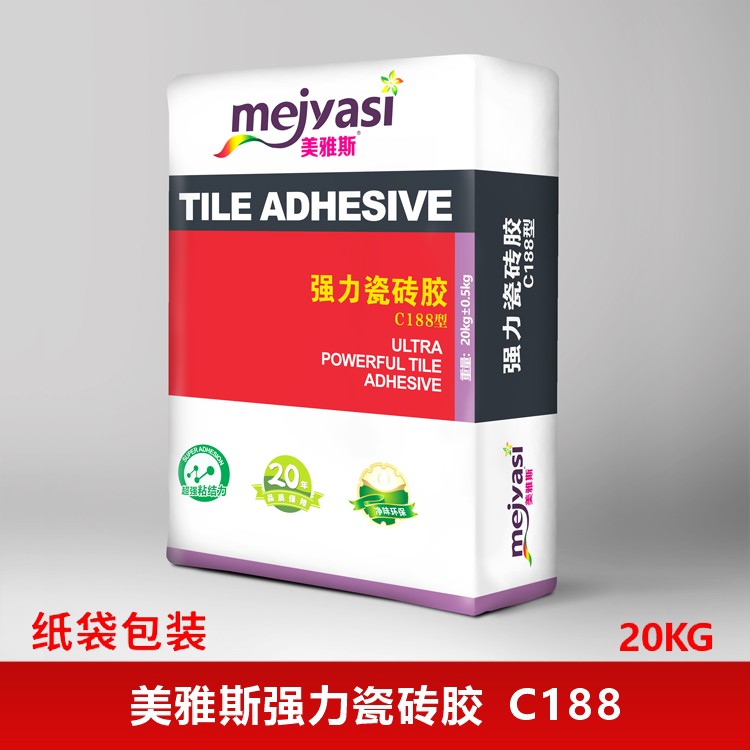
Tile Adhesive Product Reference
Representative product documentation for this educational scenario; not a photograph of a named customer project
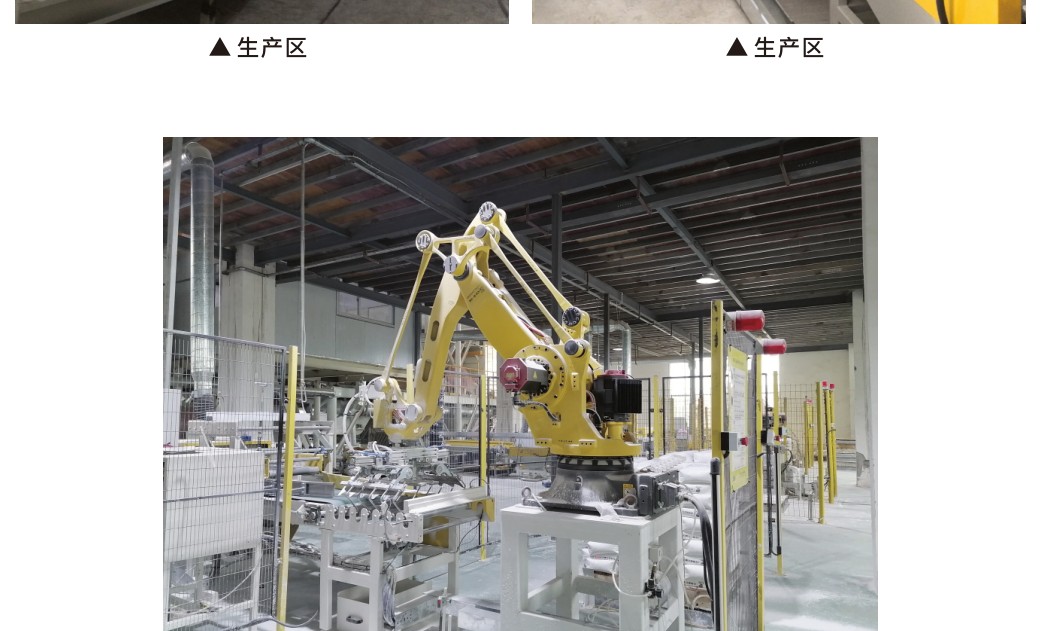
Automated Packaging Line
Factory packaging equipment used to support consistent handling and order preparation
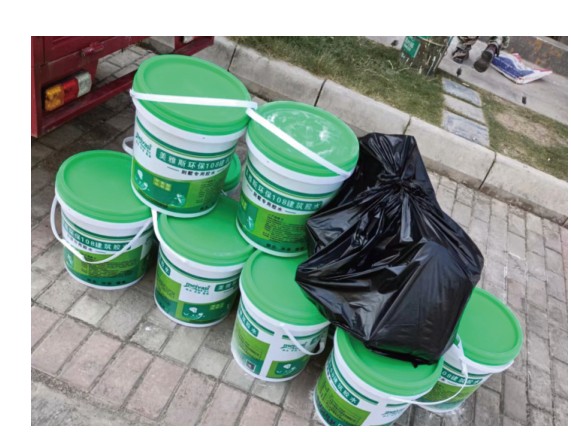
OEM Private Label Packaging
Representative packaging documentation; artwork and pack format are confirmed for each order
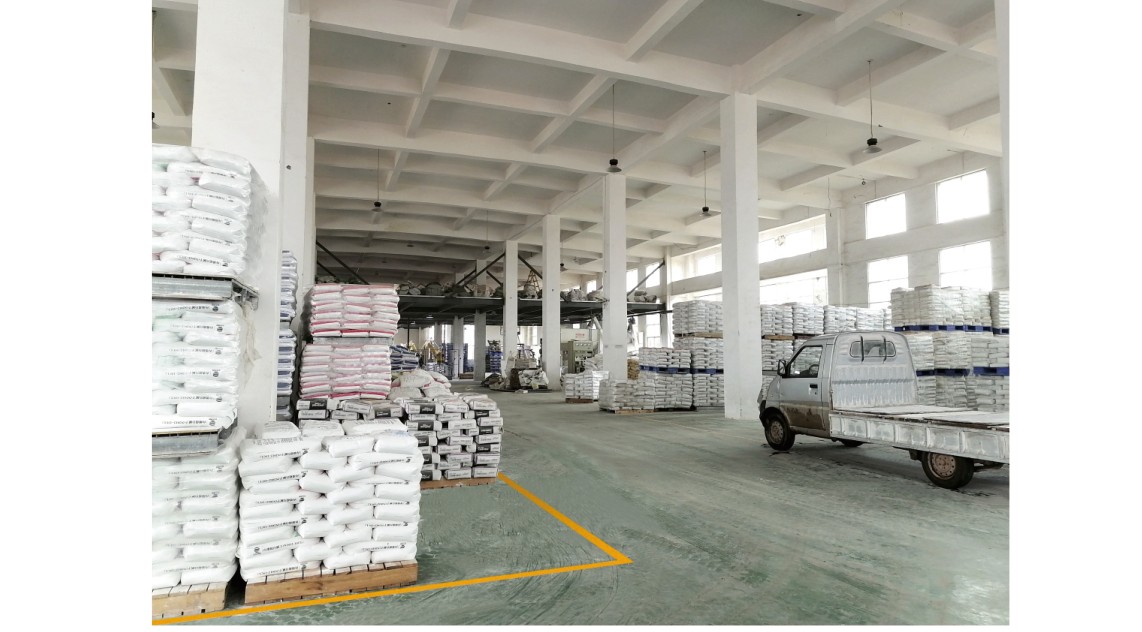
Export Dispatch Preparation
Finished products staged in a dry warehouse before outbound loading; final container plans vary by order
Background
This is an educational application scenario. It does not describe a named customer, named project, engineering address, government award, certification, or completed commercial result.
This scenario examines tile adhesive supply for urban housing, renovation, tile retail, and contractor purchasing where ceramic and porcelain tiles may require different adhesive positioning. The hypothetical buyer is a Ghanaian building material distributor serving wholesalers, tile shops, hardware stores, installers, and project buyers. The purpose is to show how commercial and technical questions can be organized before a sample request, quotation, private label decision, or bulk purchase. It is not evidence that DCY MORTAR supplied a specific site in Ghana.
Demand in distributor wholesale and tile retail should be validated through direct discussion with distributors, contractors, applicators, retailers, or project teams. A product name by itself is not a specification. The buyer must define where the material will be used, who will apply it, which substrate or finishing layer is involved, how stock will be stored, and what support the local sales channel needs.
The intended applications include ceramic and porcelain tile installation on prepared floors and walls in homes, shops, bathrooms, kitchens, and selected commercial spaces. These uses may appear commercially related, but they can create different requirements for grade, working time, thickness, curing, packaging, instructions, and technical review. The safest plan separates applications before combining quantities in one order.
The main risks in this scenario are selling one grade for every tile, spot bonding, dusty substrates, short open time in hot conditions, excessive water, weak dealer training, and damaged bags in wholesale handling. Several of these risks occur after the material leaves the factory. For that reason, supplier evaluation should include communication, packaging, documentation, logistics, storage, training, and complaint investigation, not only formulation and price.
A useful scenario ends with a controlled decision path. The buyer should be able to state the application, required behavior, sample method, acceptance criteria, packaging format, delivery route, storage plan, responsible people, and conditions that would trigger technical review. This creates a stronger inquiry and reduces assumptions on both sides.
Product Requirements
- Write an application brief covering ceramic and porcelain tile installation on prepared floors and walls in homes, shops, bathrooms, kitchens, and selected commercial spaces.
- Prioritize clear C1 and C2 positioning, usable open time, bonding performance appropriate to the application, slip control, mixing guidance, and tile-size explanations.
- Identify local substrates, climate, installer practice, storage conditions, and any mandatory buyer or project requirements.
- Separate required performance from optional marketing preferences and avoid claims that cannot be supported.
- Define how samples will be mixed, applied, observed, compared, and approved before bulk production.
- Confirm quantity, bag size, destination, delivery sequence, warehouse capacity, and reorder lead time.
Recommended Solution
The recommended starting point is a written requirement matrix. For tile adhesive, the buyer should list each use area, substrate, exposure, finishing layer, expected method, user type, and commercial channel. The matrix prevents a general quotation from being mistaken for a complete solution. It also gives the supplier enough context to explain product boundaries and request missing information.
Sample evaluation should reproduce realistic conditions. local trials should use actual tile backs and representative substrates; installers should check adhesive transfer, ridge collapse, movement joints, and curing before traffic. The buyer should record product identity, batch, water dosage, mixing equipment, rest time where applicable, temperature, substrate preparation, application thickness, observations, and final finish. Samples should not be approved only from appearance inside a small container or from an unsupported verbal claim.
DCY MORTAR can discuss a product option after receiving the application brief, but final suitability depends on actual conditions and the buyer's approval process. The proposed grade should be compared with the intended use, packaging text, available technical information, and local requirements. If the use changes, the product decision should be reviewed instead of automatically extending the original approval.
The commercial plan should fit distributor wholesale and tile retail. Sales teams need a short, accurate explanation of what the product is for, what it is not for, how it differs from adjacent SKUs, and which questions must be asked before recommendation. This is especially important when retail staff, sub-distributors, and contractors use different terminology for similar materials.
Supply should be phased when demand, site progress, or channel response is uncertain. A pilot quantity can support demonstrations and feedback, while later orders use measured consumption, sell-through, stock age, damage, application questions, and complaints. Reorders should reference the approved product identity and packaging version so that commercial continuity is not left to memory.
Technical support should follow a structured evidence process. When a problem is reported, collect photographs, batch number, storage history, substrate, weather, water dosage, mixing, application method, thickness, timing, and affected quantity. This allows product, application, substrate, storage, and design factors to be considered separately rather than assigning blame before the facts are known.
Technical Workflow
| Step | Planning Detail |
|---|---|
| 1. Define | Document the tile adhesive application, substrate, exposure, user, quantity, timing, and acceptance process. |
| 2. Select | Compare product options against clear C1 and C2 positioning, usable open time, bonding performance appropriate to the application, slip control, mixing guidance, and tile-size explanations. |
| 3. Trial | Run representative sample work and record materials, preparation, mixing, application, conditions, and observations. |
| 4. Approve | Confirm the grade, written application range, packaging wording, artwork version, and available documents. |
| 5. Supply | Coordinate production, loading, shipping or delivery, dry storage, allocation, and application support. |
| 6. Review | Measure consumption or sell-through, stock condition, user feedback, complaints, and reorder needs. |
Packaging Options
- The base packaging concept is 20 kg or 25 kg export bags with grade identification, tile application guidance, batch fields, robust seams, mixed-SKU loading labels, and dry wholesale storage.
- Bag size should reflect user handling, channel expectations, payload limits, and practical consumption rather than copying a competitor automatically.
- OEM artwork should be finalized after sample and grade approval. Product names, instructions, limitations, storage wording, net weight, and batch fields must agree with the supplied material.
- Palletized and non-pallet loading have different payload, handling, damage, equipment, and warehouse implications. The buyer should choose after reviewing the complete destination route.
- Containers, trucks, and storage areas should be clean, dry, and prepared before material arrives. Bags should be protected from rain, floor moisture, puncture, and uncontrolled restacking.
- Receiving teams should reconcile quantities by SKU and batch, photograph visible damage, rotate stock, isolate wet or broken bags, and preserve traceability for technical review.
Technical Notes
- The central technical principle is that local trials should use actual tile backs and representative substrates; installers should check adhesive transfer, ridge collapse, movement joints, and curing before traffic.
- Published or quoted coverage is an estimate, not a guarantee. Actual yield depends on substrate, thickness, tools, water dosage, application method, waste, repairs, and installer control.
- Adding excess water may change workability but can reduce the consistency of the intended result. Mixing and application should follow the approved instructions and realistic site controls.
- Substrate preparation is part of the system. Dust, weak layers, contamination, moisture, cracks, movement, and flatness must be assessed before material is applied.
- Environmental conditions influence open time, drying, curing, and storage. Warm, humid, windy, cold, or air-conditioned locations may require changes to work sequence and protection.
- Product complaints should be investigated with evidence. A bag photo alone cannot show substrate condition, mixing, application thickness, curing, exposure, or interaction with other layers.
Expected Planning Outcomes
The outcomes below are planning objectives, not claims about a completed customer project or guaranteed performance.
- A clearer product and application decision without presenting a fictional success story.
- Better alignment between technical selection, packaging, logistics, sales explanation, and end-user practice.
- A reusable inquiry and approval process that can be adapted to the buyer's real country, project, or distribution channel. Final decisions should remain with the buyer, project professionals, import advisers, and other qualified parties responsible for local specifications, regulations, site conditions, installation, logistics, and acceptance.
FAQ
Is this a real Ghana customer or completed project?
No. This page is an educational scenario. It does not identify or imply a real customer, project, address, award, certification, or completed result.
What should a buyer confirm before ordering tile adhesive?
Confirm the intended applications, substrates, exposure, required behavior, local rules, sample method, packaging, quantity, destination, storage, and responsible approval process.
Why is local sample testing recommended?
A representative trial helps the buyer observe mixing, workability, application, finish, consumption, and compatibility under realistic conditions before bulk or OEM commitments.
Can DCY MORTAR provide OEM private label packaging?
OEM packaging can be discussed after the product grade, sample, application range, bag specification, label language, and artwork responsibilities are confirmed.
How should unsupported claims be avoided?
Use only wording that agrees with the product's real application range and available documentation. Do not add invented certifications, customer references, project names, or guarantees.
What affects the final supply quantity?
Quantity depends on measured area or channel demand, field yield, application thickness, waste, bag weight, stock strategy, container payload, storage capacity, and reorder timing.
What information is needed when reporting a problem?
Provide product and batch, photographs, storage history, substrate, climate, water dosage, mixing, application method, thickness, timing, finishing layers, and affected quantity.
How can a buyer start a discussion with DCY MORTAR?
Send the target market, tile adhesive application, expected quantity, bag size, OEM needs, destination port or site, schedule, and any current product or installation challenge.
Discuss Your Actual Application or Supply Plan
Send your product, application, destination, quantity, packaging, and timing. DCY MORTAR can help structure a product and supply discussion based on your real requirements.
Contact DCY MORTAR