This page is an educational application or project supply scenario. It does not describe a named customer, project, address, certification, or completed commercial result.
Product, Packaging & Factory Reference
These are representative product and factory photographs from DCY MORTAR documentation. They support supply-planning context and do not depict a named customer, completed project, or guaranteed container configuration.
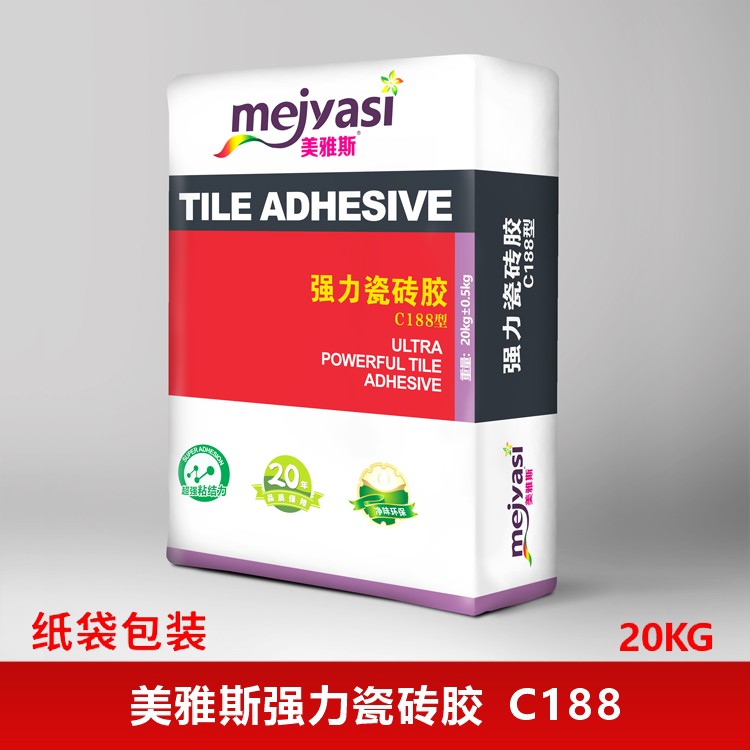
Tile Adhesive Product Reference
Representative product documentation for this educational scenario; not a photograph of a named customer project
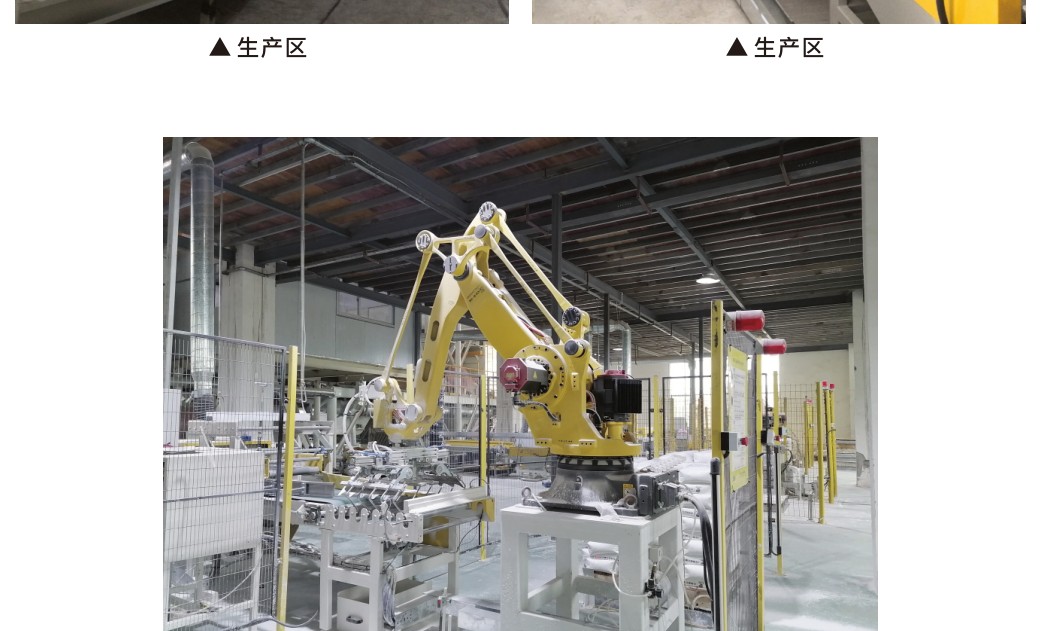
Automated Packaging Line
Factory packaging equipment used to support consistent handling and order preparation
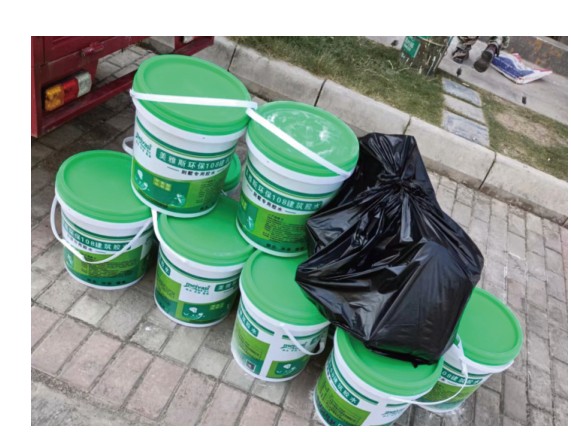
OEM Private Label Packaging
Representative packaging documentation; artwork and pack format are confirmed for each order
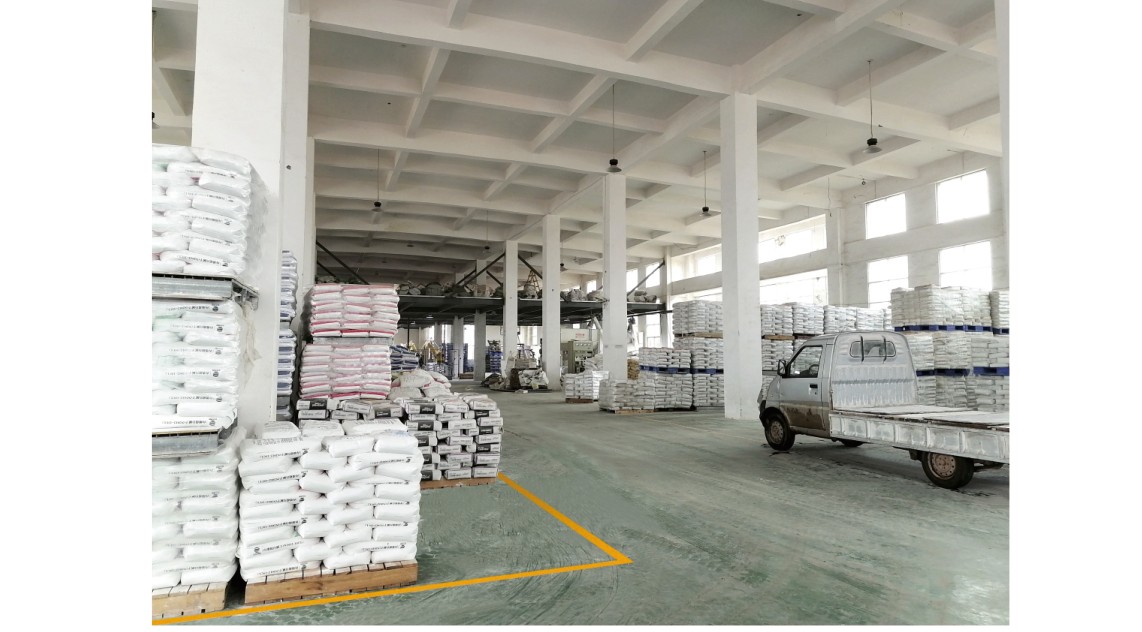
Export Dispatch Preparation
Finished products staged in a dry warehouse before outbound loading; final container plans vary by order
Background
This is an educational application and supply-planning scenario. It does not describe a named customer, authorized project, project address, certification, or completed commercial result.
A project procurement team needs wall finishing, tile installation, waterproofing, and general mortar materials across several construction phases. Quantities may change as drawings, substrates, and schedules develop. The team wants one structured supply process rather than disconnected spot purchases.
The scenario does not claim a real building or award. It demonstrates how specification review, samples, material estimates, submittal information, production windows, shipping, site storage, and issue escalation can be coordinated.
Product Requirements
- Translate project applications into clear product and grade requirements.
- Align samples, documents, packaging, and approval records.
- Forecast quantities by phase while keeping reasonable contingency.
- Maintain batch and storage visibility after delivery.
- Create a technical communication path for changes and site questions.
Recommended Solution
Build an application schedule listing area, substrate, product function, layer position, exposure, estimated quantity, timing, and approval status. Clarify which requirements are mandatory and which are preferences.
Use representative mock-ups and retain approved information. Product substitutions, packaging changes, or revised instructions should follow a controlled review rather than informal messages.
Forecast supply by construction phase. Allow for production, artwork where applicable, sea freight, customs, inland delivery, site storage, and schedule risk. Avoid sending more material than the site can protect and manage.
Technical Workflow
| Step | Planning Detail |
|---|---|
| 1. Requirement matrix | Map applications, substrates, exposure, required grades, areas, schedule, and responsible reviewers. |
| 2. Technical review | Discuss product options, limitations, compatibility, samples, and available documents. |
| 3. Mock-up approval | Test representative systems and record the accepted product identity and method. |
| 4. Quantity forecast | Use measured areas, field yields, waste, packaging, and construction sequence. |
| 5. Phased supply | Coordinate production, loading, shipping, inland delivery, storage capacity, and batch records. |
| 6. Issue control | Record site conditions, batch, storage, mixing, application, photographs, and corrective decisions. |
Packaging Options
- Maintain a live schedule for approved products, required quantities, stock, and next delivery.
- Use packaging and batch identification that remain readable on site.
- Prepare dry covered storage and stock-rotation rules.
- Avoid uncontrolled mixing of different products or batches in one work area.
- Confirm changes in writing before procurement or application.
Technical Notes
- Product selection matches the written application requirement.
- Approved samples and documents are traceable.
- Quantity calculations state assumptions and field allowances.
- Shipment and site records preserve SKU and batch identity.
- Technical issues are investigated with complete application evidence.
Expected Planning Outcomes
The outcomes below are planning objectives, not claims about a completed customer project or guaranteed performance.
- Better coordination between procurement, supplier, logistics, warehouse, and application teams.
- Lower risk of wrong-product use, excess site stock, and undocumented changes.
- A repeatable framework for project-based mortar supply inquiries.
FAQ
Is this linked to a real construction project?
No. It is a generic project supply scenario designed for education and planning.
Can DCY MORTAR guarantee a project specification?
Product suitability must be evaluated against the actual specification, substrate, application, local requirements, samples, and approval process. Unsupported guarantees should not be assumed.
Why use phased supply?
Phased supply can align inventory with site progress, storage capacity, working capital, and evolving quantity forecasts.
What information supports a technical complaint review?
Provide product and batch, storage history, substrate, weather, water dosage, mixing, application thickness, timing, photographs, and affected quantity.
How should project buyers start an inquiry?
Send the application schedule, product requirements, estimated quantities, required timing, destination, packaging, document list, and approval process.
Discuss Your Actual Application or Supply Plan
Send your product, application, destination, quantity, packaging, and timing. DCY MORTAR can help structure a product and supply discussion based on your real requirements.
Contact DCY MORTAR