This page is an educational application or project supply scenario. It does not describe a named customer, project, address, certification, or completed commercial result.
Product, Packaging & Factory Reference
These are representative product and factory photographs from DCY MORTAR documentation. They support supply-planning context and do not depict a named customer, completed project, or guaranteed container configuration.
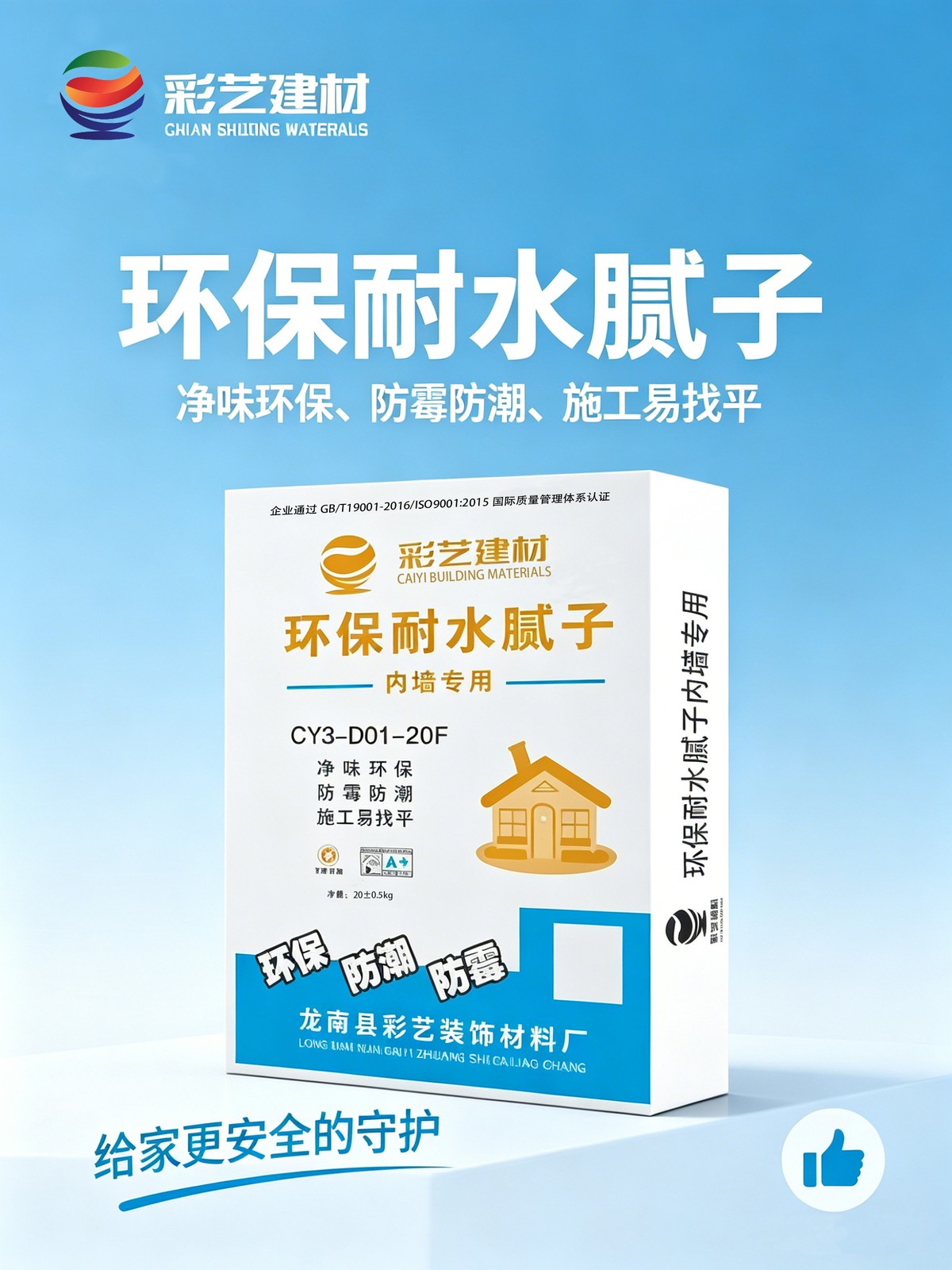
Wall Putty Product Reference
Representative product documentation for this educational scenario; not a photograph of a named customer project
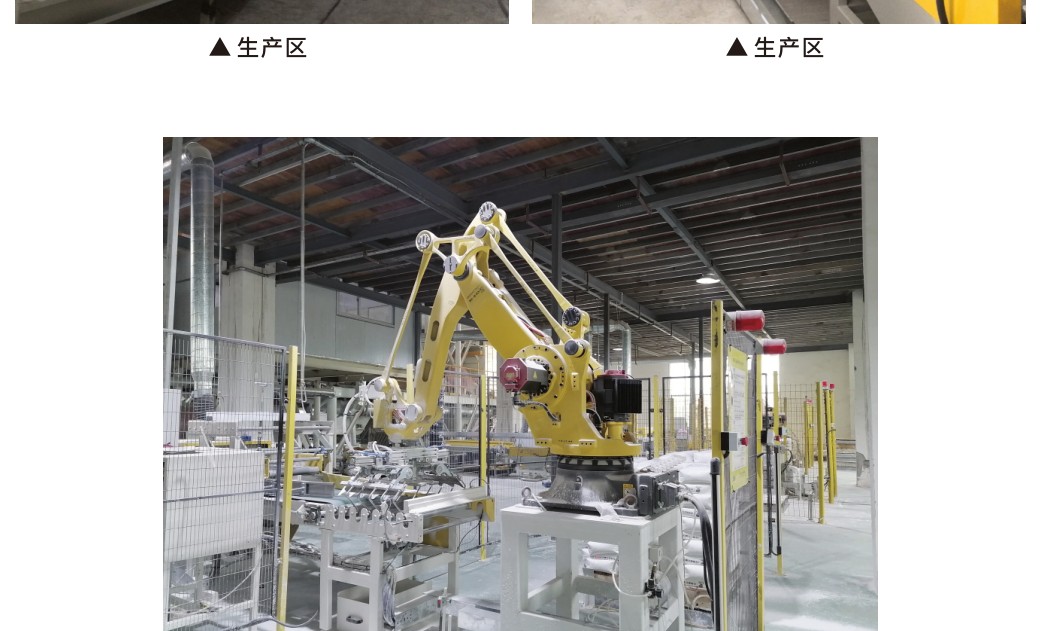
Automated Packaging Line
Factory packaging equipment used to support consistent handling and order preparation
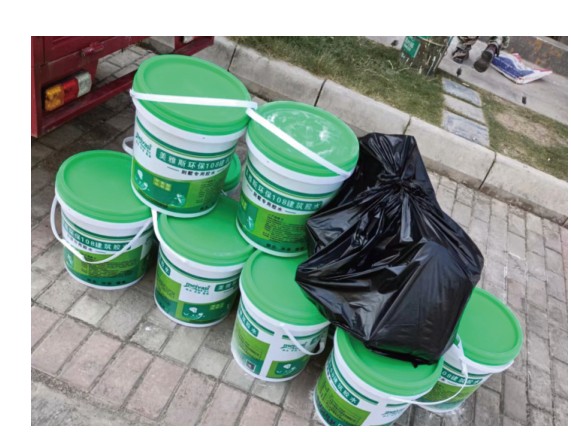
OEM Private Label Packaging
Representative packaging documentation; artwork and pack format are confirmed for each order
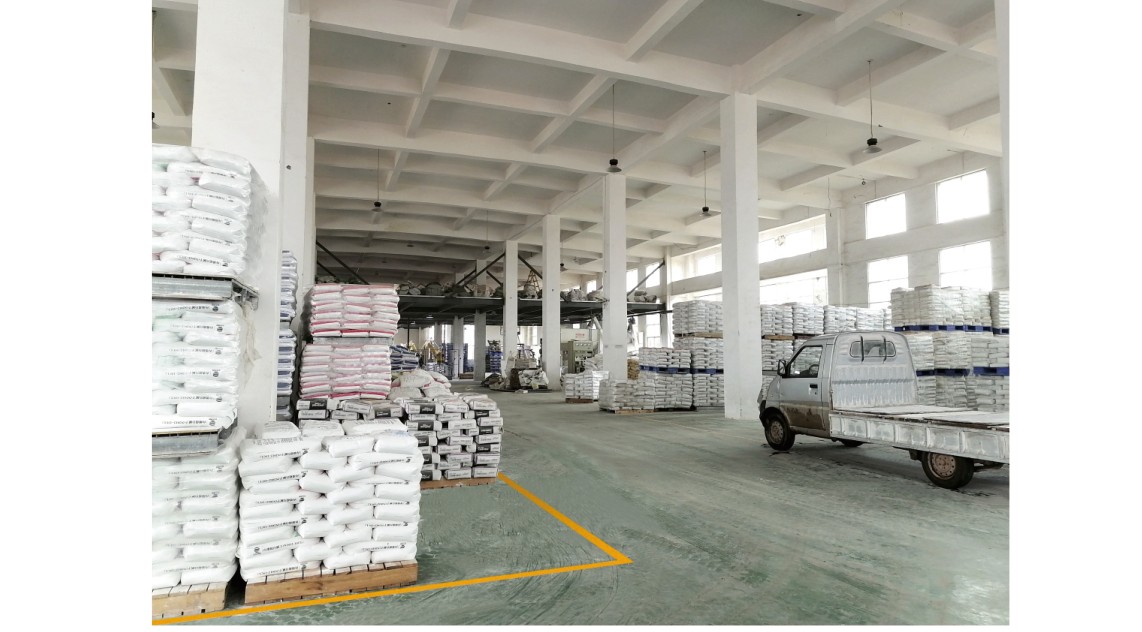
Export Dispatch Preparation
Finished products staged in a dry warehouse before outbound loading; final container plans vary by order
Background
This is an educational application and supply-planning scenario. It does not describe a named customer, authorized project, project address, certification, or completed commercial result.
A construction materials wholesaler is evaluating a private label mortar range for an African market where housing activity, wall finishing, tile installation, repairs, and distributor wholesale create potential demand. The business needs cost control, durable bags, practical products, and inland distribution planning.
The scenario avoids treating Africa as a single market. Product naming, bag size, dealer structure, port choice, inland transport, warehouse conditions, contractor habits, and price tiers must be validated for the specific country and city.
Product Requirements
- Validate local applications and channel language before selecting SKUs.
- Build a focused private label offer for wholesale and contractor supply.
- Protect product through sea freight, unloading, inland delivery, and warehouse storage.
- Plan container quantities and working capital conservatively.
- Expand territory and products only after measurable repeat demand.
Recommended Solution
Interview wholesalers, hardware dealers, applicators, and contractor suppliers in the target territory. Ask what products are requested, how they are named, typical bag preferences, common complaints, seasonal storage issues, and acceptable product explanations.
Select a focused range such as wall putty, tile adhesive, or general dry mix mortar based on verified demand. Use sample demonstrations to compare application and train the initial channel. Packaging should prioritize strength, moisture protection, legible instructions, and easy SKU identification.
Model the full landed route from China factory to destination port, customs, inland transport, warehouse, and dealer. The first order should leave enough cash and time for sales development and reordering.
Technical Workflow
| Step | Planning Detail |
|---|---|
| 1. Country validation | Research local terminology, competitors, channels, port route, inland delivery, storage, and regulatory responsibilities. |
| 2. Product focus | Select a small number of products tied to verified wall finishing, tile, repair, or project-supply demand. |
| 3. Sample channel | Run controlled demonstrations with selected dealers or applicators and record feedback. |
| 4. Private label | Approve product positioning, bag strength, instructions, artwork, and claims. |
| 5. Container and launch | Plan payload, SKU quantities, documents, unloading, warehouse zones, dealer allocation, and credit rules. |
| 6. Expansion gate | Add products or territories only after sell-through, collection, and support capacity meet defined targets. |
Packaging Options
- Confirm local import and labeling requirements with qualified advisers.
- Use export bags suitable for repeated handling and covered inland transport.
- Prepare unloading labor or equipment and dry warehouse space before arrival.
- Set dealer credit limits and monitor stock outside the main warehouse.
- Reorder based on lead time and verified sell-through, not only initial shipment-out.
Technical Notes
- Product names and applications are understood in the local channel.
- Samples and approved grades are linked to the order.
- Bag strength and print remain usable through handling.
- Container, documents, quantities, seal, and unloading records are controlled.
- Feedback separates product issues from storage, substrate, mixing, and application causes.
Expected Planning Outcomes
The outcomes below are planning objectives, not claims about a completed customer project or guaranteed performance.
- A market-entry process grounded in local channel evidence.
- Better protection of working capital and export-packed inventory.
- A credible path from first container to repeat wholesale supply.
FAQ
Does this represent a real African distributor?
No. It is an educational scenario and does not identify a customer, country project, or commercial outcome.
Which African country is this for?
The framework can support country-specific planning, but every market requires separate validation of channels, logistics, terminology, and requirements.
Why start with fewer products?
A focused range reduces stock fragmentation and makes dealer education, quality support, and reordering easier.
What packaging issues matter?
Bag strength, moisture resistance, seams, print legibility, SKU identification, batch marks, covered transport, and dry storage are important.
What should an importer provide for a supply discussion?
Share the country, port, inland destination, channel, target products, bag size, OEM needs, expected quantity, storage conditions, and launch timing.
Discuss Your Actual Application or Supply Plan
Send your product, application, destination, quantity, packaging, and timing. DCY MORTAR can help structure a product and supply discussion based on your real requirements.
Contact DCY MORTAR