Loading market page...
🇹🇭Southeast Asia|Dry Mix Mortar
Dry Mix Mortar Supplier for Thailand
DCY MORTAR is a China dry mix mortar manufacturer supplying dry mix mortar for Thailand importers, distributors, contractors, OEM private label brands, and project procurement teams. We support sample evaluation, export packaging, wholesale purchasing, container shipment, label discussion, and practical technical support for Thailand's B2B construction materials market.
Thailand Construction Materials Market Overview
Thailand's construction materials market is shaped by residential construction, commercial renovation, public facilities, hospitality work, repair activity, and distributor-led resale. Bangkok, Chonburi, Rayong, Chiang Mai, Phuket, Pattaya, and other tourism or industrial areas create different demand cycles for distributors and project suppliers. For Dry Mix Mortar, this means buyers are not only asking whether a product is available. They are asking whether the material is practical for local sites, whether packaging can survive warehouse and delivery conditions, whether instructions are clear enough for applicators, and whether the supplier can support repeat orders without changing product identity. Demand is therefore connected to product performance, export discipline, and the ability to explain the material responsibly to different B2B channels.
The market cannot be reduced to one project type. Contractors, dealers, wholesalers, and procurement teams may all handle the same product for different reasons. Dry Mix Mortar fits into this wider market as a factory-produced powder material category covering wall finishing, tile installation, waterproofing, repair, leveling, and other construction uses. Urban buyers may need faster replenishment, project documents, and products that can be explained under time pressure. Regional buyers may need stronger retail packaging, distributor education, and flexible mixed-SKU ordering so one container can support several customer groups. This is why manufacturer-direct sourcing can be useful for serious importers in Thailand.
heat, humidity, rainy seasons, and coastal exposure in some locations make stable formulation, packaging integrity, and correct application guidance important. This affects how dry mix materials are stored, mixed, applied, cured, and sold. A product that looks acceptable in a quotation can still create problems if the bag is weak, the powder absorbs moisture, the label gives unclear instructions, or applicators use it on poorly prepared substrates. For dry mix mortar, the relevant performance concerns include controlled batching, repeatable formulation, clear SKU identity, export packaging, technical documents, and stable supply across product families. These concerns influence rework, customer complaints, distributor reputation, and whether contractors are willing to buy the same product again.
Thailand buyers commonly serve hardware retail, modern trade distributors, contractor groups, project suppliers, renovation teams, and private label building material brands. A single importer may sell into several of these channels at once, so the product needs a clear position. A contractor may care most about application feel and site performance, while a retailer may care about bag appearance and repeat customer feedback. A project buyer may ask for technical documents and consistent batch identity, while an OEM brand owner may focus on packaging, product naming, and long-term supply. This is why DCY MORTAR treats dry mix mortar as both a technical dry mix product and an export supply program.
Laem Chabang is the main deep-sea port for container shipments, while Bangkok-area warehouses often influence inland distribution and reorder planning. Logistics do not replace product quality, but they shape the purchasing plan. Importers need to think about production lead time, sailing schedule, port clearance, inland delivery, warehouse unloading, pallet or non-pallet loading, and reorder timing. The main sourcing risks include overstated performance claims, poor climate fit, damaged bags after sea freight, and products that are difficult for local applicators to understand. A reliable supplier should help buyers reduce these risks with clearer product discussion, export-ready packaging, sample confirmation, and realistic communication before shipment.
For Thailand, market opportunity is strongest when the product, packaging, and documentation work together. Buyers need materials that can be positioned clearly, tested before purchase, stored properly, and reordered without confusion. DCY MORTAR supports this process by discussing sample approval, product grade, OEM packaging, technical documents, and container plans before production. This is a practical B2B approach for importers who want a repeatable supply program for dry mix mortar.
Dry Mix Mortar Demand in Thailand
Dry Mix Mortar demand in Thailand is connected to distributor product portfolios, mixed-SKU container programs, construction material wholesale, project supply, retail channels, and OEM brand development. The product is usually selected because it solves a specific site problem, not because it is simply another bagged powder. Buyers need to know whether the material can be handled by local applicators, whether it works with familiar tools, whether the result is consistent across different sites, and whether the supplier can explain the product in a way that supports sales teams. The most important buyer groups include importers, regional wholesalers, hardware distributors, contractor suppliers, project buyers, and OEM building material brands.
The typical substrates and application conditions for dry mix mortar include walls, floors, facades, wet areas, repair zones, rendered surfaces, concrete, masonry, and other common mineral construction bases. These surfaces can vary widely in quality. Some projects have new and well-prepared substrates, while renovation work may involve uneven, dusty, repaired, damp, or previously coated surfaces. In Thailand, the combination of heat, humidity, rainy seasons, and coastal exposure in some locations make stable formulation, packaging integrity, and correct application guidance important means substrate preparation and storage instructions should not be treated as minor details. A product should be evaluated through samples, practical application tests, and technical discussion before a distributor presents it as a reliable solution to the local market.
Different buyers evaluate dry mix mortar from different angles. Importers and wholesalers focus on container quantity, landed cost, packaging condition, documentation, and reorder planning. Contractors focus on mixing ratio, workability, setting behavior, coverage, and compatibility with adjacent materials. Retail channels focus on whether the product name and bag information are easy to understand. OEM private label buyers focus on whether the formula, label, and product story can support their brand over multiple shipments. This creates demand for a supplier that can support both product and sales execution.
A serious demand analysis also needs to consider the product system around dry mix mortar. It is rarely used in isolation. It may be connected to wall putty, tile adhesive, waterproof mortar, repair mortar, self-leveling mortar, anti-crack mortar, and skim coat products, depending on the application. If one material in the system is poorly selected, the final result can still fail even when the main product is acceptable. DCY MORTAR supports buyers by discussing the product's real application range, related materials, storage limits, and site preparation. This avoids the common mistake of turning every product into a universal solution with unsupported claims.
For Thailand, the strongest demand is likely to come from buyers who need repeatable performance and clear product positioning. Thai or bilingual packaging, clear grade positioning, readable usage instructions, and consistent product identity help local teams sell technical dry mix products. This matters because B2B buyers often need to train sales teams, answer contractor questions, and keep product information consistent across warehouses and sales points. DCY MORTAR positions dry mix mortar for this kind of long-term supply program: factory-produced dry mix material, export packaging, sample confirmation, OEM support, and technical communication that helps the buyer sell the product responsibly.
Demand is also influenced by purchasing confidence. Buyers want to compare samples, understand application limits, confirm packaging, and know what documents will be available before the goods leave China. For dry mix mortar, this confidence is especially important because performance problems usually appear after the product reaches a job site or customer. A disciplined supplier helps the importer reduce uncertainty before the order is placed and before the product is promoted in Thailand.
Importing Dry Mix Mortar from China to Thailand
Importing dry mix mortar from China to Thailand should start with a detailed purchasing brief. The buyer should define the application area, target grade, bag size, brand requirement, label language, expected quantity, destination port, warehouse handling method, and whether the product is intended for retail, wholesale, OEM private label, or project supply. For dry mix mortar, the import discussion should pay close attention to mixed-SKU loading, coordinated packaging, product range planning, reorder strategy, and container weight optimization. A clear brief helps the manufacturer recommend a practical product position instead of quoting a generic material that may not fit the buyer's channel.
Sample evaluation is recommended before bulk ordering. Samples allow the buyer to check powder appearance, water demand, mixing behavior, application feel, setting or drying behavior, surface result, and compatibility with related products. For Thailand, sample testing should also consider local climate, storage conditions, applicator habits, and the type of substrate or project where the product will be sold. The buyer should not finalize OEM packaging until the product grade and application range are understood. This keeps the label, technical document, and product promise aligned with real performance.
Packaging is a central part of import planning. Bagged dry mix materials are heavy, sensitive to rough handling, and exposed to humidity during shipping, warehousing, and inland distribution. Buyers should confirm whether they need 20 kg, 25 kg, 40 kg, palletized loading, non-pallet loading, moisture-aware wrapping, or mixed container arrangements. Thai or bilingual packaging, clear grade positioning, readable usage instructions, and consistent product identity help local teams sell technical dry mix products. For OEM buyers, artwork approval should cover brand name, product name, grade, mixing instruction, safety information, storage guidance, batch marking, and any language required by the sales channel.
Laem Chabang is the main deep-sea port for container shipments, while Bangkok-area warehouses often influence inland distribution and reorder planning. The shipment plan should include production lead time, container booking, commercial invoice, packing list, bill of lading, certificate of analysis, material safety data sheet, and available technical documents or test reports. Transit time to Laem Chabang is usually discussed as 10–18 days, but buyers should also allow for vessel schedules, port handling, customs broker timing, and inland delivery. For heavy powder goods, container weight and unloading method should be confirmed early so that the buyer avoids surprises after arrival.
Technical support should continue after the quotation stage. For dry mix mortar, buyers may need guidance on SKU selection, grade positioning, label wording, application range, storage, safety information, and cross-product compatibility. This support is useful for sales teams, contractors, and distributors who must answer practical questions in the local market. DCY MORTAR does not use invented project cases, customer names, or unsupported certification claims. The safer approach is to match product grade, packaging, documentation, and application guidance to what the material can actually support in Thailand.
A well-planned import order also considers reorder timing. Buyers should not wait until local stock is fully depleted before confirming a repeat shipment, especially when packaging artwork, seasonal demand, or mixed-SKU loading is involved. DCY MORTAR can discuss production sequence, container planning, and documentation before shipment so the buyer has a clearer purchasing calendar. This helps Thailand distributors maintain availability while avoiding rushed decisions based only on short-term price.
Market Challenges in Thailand
Practical buying and application issues that often matter to dry mix mortar importers, distributors, and contractors.
- !Thailand's hospitality and residential sectors demand premium finishing materials
- !Local skim coat and wall putty quality varies significantly between suppliers
- !Bangkok and Phuket high-end projects require consistent import-grade products
Related DCY MORTAR Products for Thailand
Product detail pages connected to this dry mix mortar supply topic.
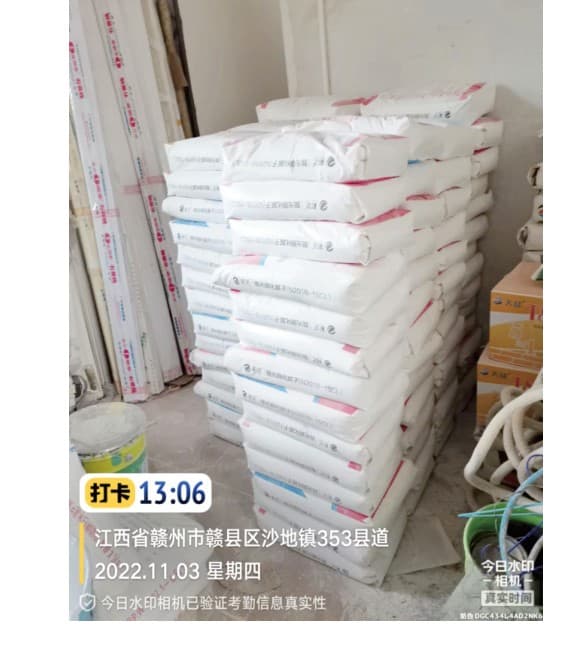
Finishing
Interior Wall Putty
Premium interior wall putty for smooth, paint-ready surfaces in residential and commercial projects.
20kg bags · Alternative OEM pack formats subject to production confirmationView Details
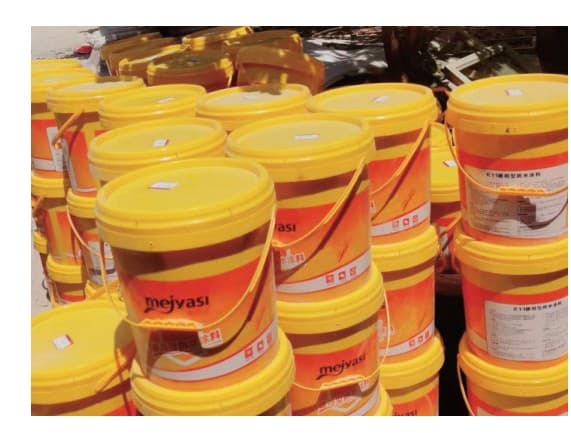
Adhesive
Tile Adhesive
High-strength C1/C2 tile adhesive for ceramic, porcelain, and natural stone installation.
20kg bags · Palletized loading and OEM packaging available after confirmationView Details
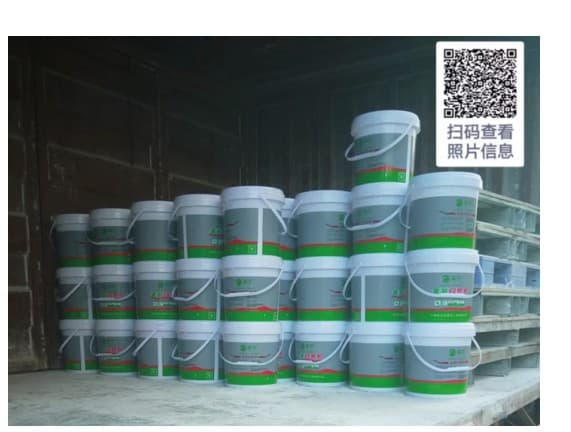
Waterproofing
Waterproof Mortar
Flexible polymer-modified waterproof mortar for bathrooms, basements, and terrace protection.
20kg bags · 40kg engineering grades available for selected formulas · OEM packaging availableView Details
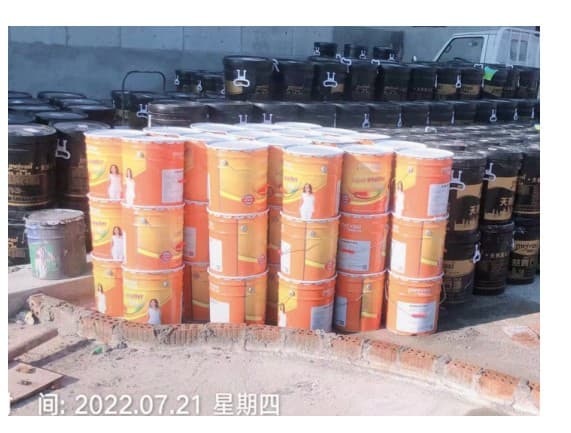
Repair
Anti-Crack Mortar
Fiber-reinforced anti-crack mortar for facade repair and crack prevention on exterior walls.
20kg bags · 40kg engineering bags · OEM packaging availableView Details
Flooring
Self-Leveling Mortar
Flowable cement-based self-leveling compound for flat, smooth floor substrates.
20kg bags · Palletized loading available after order confirmationView Details
Repair
Repair Mortar
High-strength repair mortar for concrete restoration, pothole repair, and structural maintenance.
20kg / 25kg paper bags with PE liner · OEM packaging availableView Details
Why Choose DCY MORTAR
DCY MORTAR is a China dry mix mortar manufacturer supplying dry mix mortar for B2B buyers who need more than a trading quotation. For Thailand, this means the conversation can include product grade, sample evaluation, OEM private label, bag design, export packaging, documentation, container planning, and technical application support. The goal is to help importers and distributors build a repeatable supply program instead of relying on unstable spot purchasing.
Stable formulation is important because local buyers remember how a product behaves on site. If the first shipment mixes well and the next shipment behaves differently, the importer may face complaints from contractors, dealers, or project users. DCY MORTAR supports factory-produced dry mix materials with controlled batching and practical quality discussion. For dry mix mortar, this is especially relevant because buyers care about controlled batching, repeatable formulation, clear SKU identity, export packaging, technical documents, and stable supply across product families.
OEM private label support is another reason buyers work with DCY MORTAR. Many importers in Thailand want to develop their own building material brand rather than resell anonymous bags. DCY MORTAR can discuss custom packaging, label language, product name, grade positioning, bag size, and technical wording. Buyers serving hardware retail, modern trade distributors, contractor groups, project suppliers, renovation teams, and private label building material brands can all require different product explanations, so packaging should be clear, professional, and consistent with the material's actual application range.
Export packaging and logistics support matter for every shipment. Laem Chabang is the main deep-sea port for container shipments, while Bangkok-area warehouses often influence inland distribution and reorder planning. DCY MORTAR can discuss FOB or CIF terms, container loading, pallet options, moisture-aware packaging, and document preparation. The company can also support related dry mix product planning, which is useful when an importer wants to expand from one SKU into wall putty, tile adhesive, waterproof mortar, repair mortar, self-leveling mortar, anti-crack mortar, and skim coat products. This helps buyers plan a category instead of sourcing disconnected products from multiple suppliers.
The practical value for Thailand buyers is a more disciplined sourcing process. Buyers can compare samples, check documents, approve packaging, confirm loading plans, and ask technical questions before production. The main sourcing risks include overstated performance claims, poor climate fit, damaged bags after sea freight, and products that are difficult for local applicators to understand. DCY MORTAR's role is to reduce these risks with manufacturer-direct communication and export-ready support, while avoiding false project cases, invented customer references, or unsupported certification claims. This makes the supply relationship more suitable for long-term B2B distribution.
DCY MORTAR is also suitable for buyers who want to build a wider dry mix mortar range over time. A company may start with dry mix mortar and later add related products such as wall putty, tile adhesive, waterproof mortar, repair mortar, self-leveling mortar, anti-crack mortar, and skim coat products. Keeping these items under a coordinated supplier conversation can make packaging, documents, SKU planning, and technical support easier to manage. For Thailand, that structure helps buyers move from one purchase to a more organized building materials program.
+Dedicated dry mix mortar export support for Thailand distributors and contractors
+Factory-direct FOB/CIF discussion for Thailand importers
+Factory-produced dry mix mortar with controlled batching and repeatable product identity
+OEM private label support for custom bag design, language, and brand positioning
+Export packaging, COA, MSDS, and container loading guidance
+Technical support for mixing, substrate preparation, storage, and application
Packaging
- -20kg, 25kg, and 40kg formats exist across the product portfolio; exact options vary by SKU
- -Mixed-SKU loading requires production and payload review
- -OEM branding is confirmed by product and packaging format
- -Color-coded bags by product type for easy warehouse management
Container Loading
- -Final net weight follows the container payload rating, route limits, SKU mix, and quotation
- -Bag count is calculated from the confirmed pack size and loading method
- -Pallet configuration and moisture protection are confirmed per order
Shipping to Thailand
Main Port
Laem Chabang
Transit Time
10–18 days
Region
Southeast Asia
- -Primary port: Laem Chabang — Thailand's largest deep-sea port
- -Secondary access via Bangkok Port for smaller shipments
- -Transit time: 10–18 days from China
- -Thai customs documentation support provided
- -Transit time from China: 10–18 days
- -Primary destination port: Laem Chabang
- -FOB and CIF terms can be discussed based on destination and order quantity
- -Sample evaluation, OEM packaging, and container booking support are available
Frequently Asked Questions
Common questions about importing dry mix mortar from China to Thailand.
Can DCY MORTAR supply Dry Mix Mortar to Thailand?+-
Yes. DCY MORTAR can supply dry mix mortar from China for Thailand importers, distributors, contractors, OEM private label buyers, and project procurement teams. The discussion can include samples, packaging, documents, container loading, and shipment planning to Laem Chabang.
What buyer information is needed for a dry mix mortar quotation to Thailand?+-
Please provide the target grade, application area, bag size, packaging requirement, estimated quantity, destination port, OEM needs, label language, and whether samples are required. This helps DCY MORTAR prepare a practical FOB or CIF discussion for Thailand.
Can I request samples of Dry Mix Mortar before bulk purchasing?+-
Yes. Samples can be arranged so the buyer can check application feel, mixing behavior, surface result, and compatibility with the intended use. Sample approval is recommended before OEM packaging or container ordering, especially for Thailand's local sales channels.
Is Dry Mix Mortar suitable for Thailand's climate and site conditions?+-
heat, humidity, rainy seasons, and coastal exposure in some locations make stable formulation, packaging integrity, and correct application guidance important. Suitability should be reviewed through sample testing, substrate condition, storage practice, application method, and the product grade selected for the buyer's channel.
Do you support OEM private label Dry Mix Mortar for Thailand?+-
Yes. DCY MORTAR supports OEM private label service, including custom bag design, product name, grade positioning, label language, safety information, usage instructions, and technical documents for Thailand buyers.
What packaging options are common for Dry Mix Mortar?+-
Packaging can be discussed around 20 kg, 25 kg, or other suitable bag formats depending on product type, order quantity, loading method, and sales channel. For Thailand, packaging should also consider bag strength, moisture exposure, warehouse handling, and label clarity.
Which port is normally used for shipping Dry Mix Mortar to Thailand?+-
Laem Chabang is the main destination used in the current page data. The final port should be selected based on the buyer's warehouse location, customs broker, inland delivery plan, and distribution area.
Can Dry Mix Mortar be shipped with related dry mix mortar products?+-
Yes. Mixed-SKU container planning can be discussed when the buyer wants to combine dry mix mortar with wall putty, tile adhesive, waterproof mortar, repair mortar, self-leveling mortar, anti-crack mortar, and skim coat products. Final loading depends on product density, bag size, container weight limits, and order quantity.
What documents can DCY MORTAR provide for importing Dry Mix Mortar?+-
Common export documents may include commercial invoice, packing list, bill of lading, certificate of analysis, material safety data sheet, and available technical documents or test reports. Additional requirements should be discussed before shipment.
What technical support is available for Dry Mix Mortar?+-
Technical communication can cover SKU selection, grade positioning, label wording, application range, storage, safety information, and cross-product compatibility. This helps importers support distributors, contractors, and project buyers after the product enters the Thailand market.
Related Products
Product Detail
More Products for Thailand
Related Guides
Buying Guides
Application Scenarios
Contact CTA
Request factory-direct FOB/CIF pricing for dry mix mortar shipped to Thailand.
More Dry Mix Mortar export markets: